

Board evaluation is the structured process by which a Mauritian board examines its own effectiveness — director performance, governance discipline, oversight quality, decision rhythm, and the dynamics that shape boardroom contribution. In Mauritius, where the National Code of Corporate Governance for Mauritius (2016), the Financial Services Commission, the Stock Exchange of Mauritius, and the Companies Act 2001 set the formal governance bar, board evaluation has become a recognised expectation for listed companies, FSC-licensed financial institutions, and the global business sector that defines much of the Mauritius IFC.
Done well, board evaluation gives Mauritian boards an external view of how they are functioning, where they are strongest, and where intervention will produce the largest improvement in oversight quality. Done as a tick-box exercise, it produces nothing but paperwork. The difference is in the design.
Mauritius has built its position as an International Financial Centre and African gateway on the strength of its governance, regulatory, and judicial framework. Boards operating in Mauritius — whether of locally-rooted businesses, regional groups headquartered on the island, or global business companies serving cross-border investment flows — operate in an environment where governance maturity is part of the country’s value proposition.
The decision to commission a board evaluation in Mauritius is usually triggered by one of a few situations: a regulator-driven obligation under the 2016 Code (which applies to public-interest entities and is increasingly expected by partners of all FSC-licensed institutions), a transaction or capital event that brings governance into investor focus, a leadership change that creates a natural reset point, or a board’s own recognition that effectiveness has plateaued and needs structured external input.
The National Code of Corporate Governance for Mauritius (2016) is the country’s primary governance reference. It applies on an apply-and-explain basis to public-interest entities — listed companies, large public-interest companies, banks, insurance companies, and other regulated financial institutions. The Code’s principles cover board composition, board responsibilities, board structure and committees, director appointment, governance reporting, and stakeholder governance.
The Code’s emphasis on board effectiveness, periodic evaluation, and disclosure of governance practice is what brings board evaluation into the regular governance cycle for Mauritian boards. A board that cannot show evidence of meaningful self-evaluation cannot demonstrate compliance with the Code in substance, regardless of how the explanation is worded in the annual report.
The Financial Services Commission of Mauritius regulates a wide range of FSC-licensed entities — global business companies, investment funds, fund managers, insurers, pension administrators, and other non-bank financial institutions. The FSC’s governance expectations layer onto the 2016 Code with sector-specific requirements: fit-and-proper standards for directors, governance documentation expectations, and ongoing supervisory engagement on board effectiveness.
The Stock Exchange of Mauritius applies governance disclosure requirements to listed issuers, with the 2016 Code as the underlying reference. The Bank of Mauritius adds further governance expectations for licensed banks. Together, this regulatory architecture shapes board evaluation practice across the sectors that define the Mauritius IFC.
A comprehensive board evaluation in Mauritius typically assesses:
A typical Mauritian board evaluation is delivered in five phases: scoping with the chair to align objectives and scope; design of bespoke questionnaires and interview prompts informed by the 2016 Code, FSC and sector expectations, and the business’s specific context; structured input through online questionnaires and one-on-one director interviews; consolidation of findings into a governance performance view; and a facilitated reporting session that turns insight into prioritised actions and an implementation pathway.
Engagements are usually delivered in 6–12 weeks depending on board size, scope, and the depth of dynamics work required. Confidentiality is fundamental — directors must be able to speak candidly for the evaluation to surface honest insight. The output supports the governance disclosures that listed and FSC-regulated entities make in their annual governance reporting.
Sirdar conducts board evaluations in Mauritius across a range of organisational types — listed companies, FSC-licensed financial institutions, family-owned conglomerates, and global business companies serving regional and international structures. Engagements draw on Sirdar’s deep board evaluation methodology while adapting questionnaires, interview frameworks, and reporting to the 2016 Code, FSC supervisory expectations, SEM listing requirements, and Companies Act 2001 obligations that shape Mauritian governance practice.
The objective is governance that makes Mauritian boards measurably more effective — and that produces the evidence of effectiveness that regulators, investors, and partners can rely on.
Is board evaluation mandatory in Mauritius?
The National Code of Corporate Governance (2016) applies on an apply-and-explain basis to public-interest entities. The Code expects boards to undertake periodic performance evaluations and disclose governance practices in annual reporting. While compliance is technically apply-and-explain, in practice boards of listed companies, banks, insurance companies, and FSC-regulated institutions conduct evaluations to satisfy the disclosure expectation and to remain credible with regulators and investors.
How does the 2016 Code apply to non-listed companies?
The Code applies formally to public-interest entities, but its principles are increasingly the standard expected by investors, lenders, and partners across all sectors. Many privately-held Mauritian businesses adopt Code-aligned practices voluntarily because of the credibility it creates in their broader stakeholder relationships — particularly in financial services, professional services, and businesses with cross-border operations.
How long does a board evaluation take in Mauritius?
A comprehensive evaluation typically runs 6–12 weeks from scoping to facilitated reporting, depending on board size, scope, and depth of dynamics work. Targeted diagnostics on specific governance areas can be completed in 2–4 weeks. The right scope depends on what the board needs from the engagement, not a fixed timeline.
Can evaluations span Mauritius IFC structures with foreign holding entities?
Yes. For groups using Mauritius as a holding or treaty jurisdiction with operating subsidiaries in Africa, India, or elsewhere, the evaluation can cover the Mauritius board, subsidiary boards, and the governance interactions between them. This is particularly valuable for cross-border groups where governance maturity differs across jurisdictions or where the Mauritius board needs to demonstrate substance and effective oversight to FSC and counterparty stakeholders.
Mauritius
+230 463 7000
mauritius@sirdargroup.com
Level 8, Nexteracom Tower III, Rue du Savoir,
Cybercity, Ebene, 72201
Ghana
+233 246 386 364
ghana@sirdargroup.com
4th Floor, Stanbic Heights
215, North Liberation Road
Airport City, Accra
Kenya
+254 110 006 888
kenya@sirdargroup.com
1st Floor, Cornerstone Place,
23 St Michael’s Road (off Rhapta Road),
Muthangari, Nairobi
Western Australia
+61 482 026 914
australia@sirdargroup.com
Perth
New Zealand
+64 21 242 9383
newzealand@sirdargroup.com
Wellington
Nigeria
+234 803 595 7198
nigeria@sirdargroup.com
1 Walter Carrington Crescent,
Victoria Island, Lagos, Nigeria
















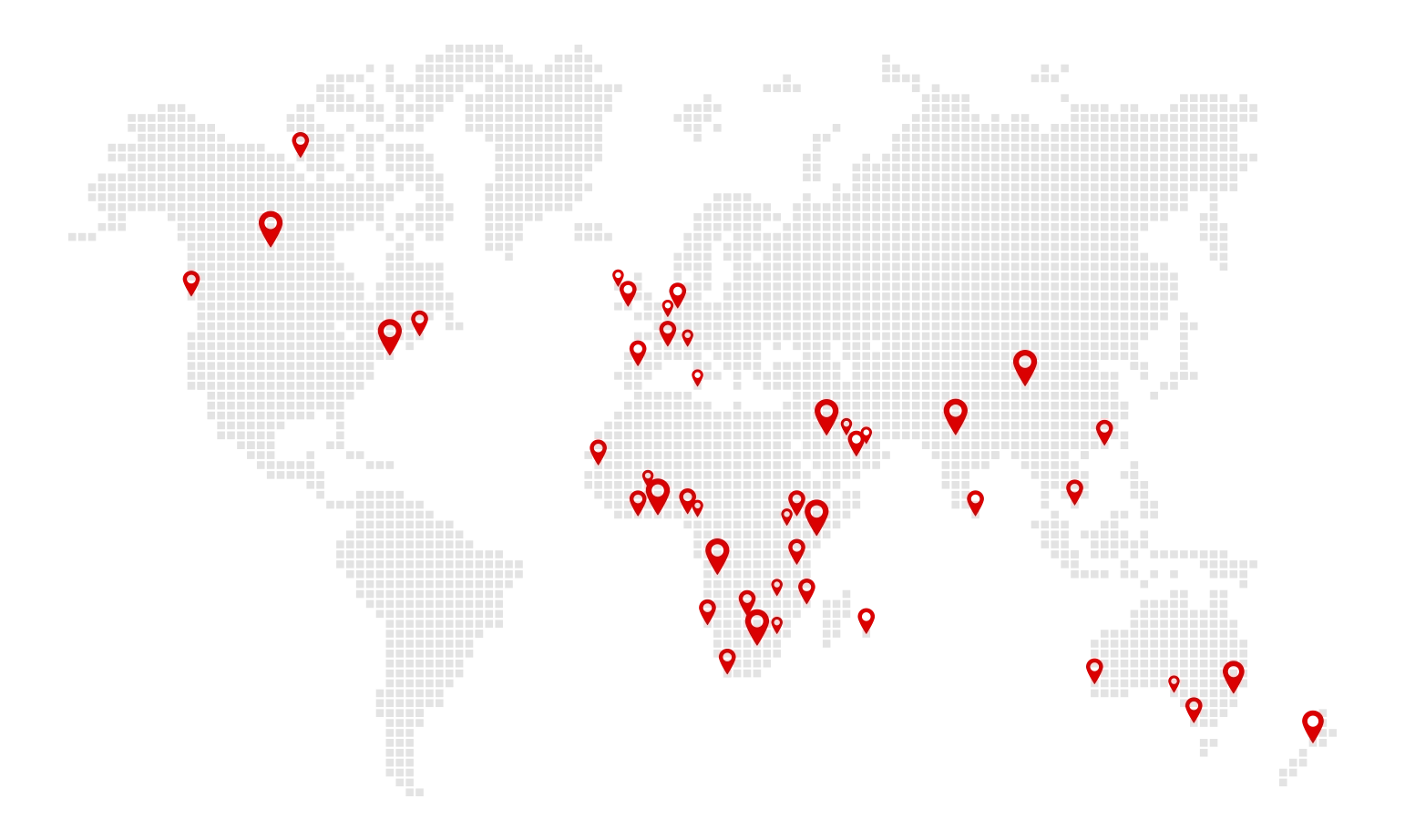



Australia Ghana Kenya Mauritius New Zealand Nigeria South Africa Tanzania
For more information contact us on info@sirdargroup.com
Sirdar Basecamp is the ultimate membership platform for boards and directors, designed to empower you with the tools, knowledge, and support you need to excel in governance. With Sirdar Basecamp, you gain access to expertly curated resources, practical frameworks, and a vibrant community of peers who are as dedicated to excellence as you are.

Enjoy optimal performance by leveraging our solutions to create meaningful economic impact. The result: satisfied shareholders, engaged employees, thriving communities and a better world for all.
Rely on us to support finding the ideal candidate who balances unique boardroom dynamics while bringing the required expertise, experience, values, and natural energy to deliver exceptional performance.
Gain critical insights and learnings from our relevant and practical training programmes and workshops that focus on building director- and board-level skills – all based on our robust methodology.
Navigating the complexities of statutory compliance is crucial for any business. Our comprehensive statutory compliance solutions simplify the process and cover every aspect of business administration.
Businesses that are experiencing growth encounter unique opportunities and challenges. Our solutions support ensuring good governance and best practices to take them further into the future.
Board training is key to remaining relevant and being a high-performing director. Our training and workshops are based on your specific and unique needs.
Stay future-ready by aligning today’s governance with tomorrow’s opportunities. Our case studies, job listings and blog help your board respond now and lead with foresight.
At the end of the day, directorship is about creating value and leading your organisation to success. The stakes are high, but you don’t have to do it alone. Reach out and gain a support system that empowers you to lead with confidence.


Cape Town
South Africa
+27 21 276 0540
Johannesburg
South Africa
+27 21 276 0540
Dar Es Salaam
Tanzania
+255 78 614 2424
Ebene
Mauritius
+230 463 7000
Accra
Ghana
+233 246 386 364
Nairobi
Kenya
+254 110 006 888
Wellington
New Zealand
+64 21 242 9383
Perth
Western Australia
+61 482 026 914
Lagos
Nigeria
+234 803 595 7198
Sirdar Basecamp is the ultimate membership platform for boards and directors, designed to empower you with the tools, knowledge, and support you need to excel in governance. With Sirdar Basecamp, you gain access to expertly curated resources, practical frameworks, and a vibrant community of peers who are as dedicated to excellence as you are.