
Board Evaluation Outcomes: What You Receive and How to Use It
A board evaluation delivers far more than a report. Yes, you receive a comprehensive written document—but that’s just the beginning. The true value emerges through the tangible deliverables (structured reports, prioritised recommendations, action plans) and the intangible shifts (clarity, alignment, reduced friction, stronger accountability) that ripple through your governance culture.
Understanding what you’ll receive—and more importantly, what you’ll do with it—ensures you get maximum value from the evaluation investment.
Tangible Deliverables: What You Get in Hand
1. The Consolidated Report
This is your governance map. The report synthesises feedback from questionnaires and interviews, translating raw data into clear narrative and insight. It typically includes:
- Executive summary: Key findings and priority themes at a glance.
- Board composition analysis: How well the board is composed for current and future needs, skills gaps, diversity assessment, succession readiness.
- Governance maturity assessment: How your governance compares to best practice, areas of strength and development.
- Board dynamics and culture: Leadership effectiveness, contribution balance, decision quality, interpersonal dynamics.
- Committee effectiveness: Deep dives into each committee’s performance, clarity of mandate, decision impact.
- Strategy alignment: Whether the board is sufficiently engaged in strategy, quality of challenge, confidence in execution.
- Risk and compliance: Governance of risk, compliance posture, adequacy of information flow.
- Recommendations by priority: Ranked by urgency and impact, tailored to your context.
The best reports balance data-backed observation with narrative clarity. You leave the report understanding not just ‘what’ was found, but ‘why’ it matters and ‘what’ to do about it.
2. Prioritised Recommendations
The evaluation delivers a curated set of recommendations—not a scattered wish list. These are sequenced by impact and urgency, acknowledging that boards can’t address everything at once. You’ll typically receive recommendations across:
- Governance structure and process
- Board composition and recruitment
- Committee redesign or refocus
- Strategy engagement and challenge
- Director development and succession
- Decision quality and cadence
- Risk governance and compliance
Sirdar’s approach prioritises recommendations that move the needle on governance quality. Some recommendations can begin immediately; others require phased implementation. Your evaluation clearly marks these distinctions.
3. Suggested Action and Execution Plan
Recommendations without a pathway to implementation remain aspirations. Your evaluation outcome includes a practical action plan that details:
- What needs to change (the recommendation)
- Why it matters (the business impact)
- Who should lead implementation (board member, committee, management)
- Timeline and sequencing (what comes first, what depends on what)
- Success measures (how you’ll know it’s working)
- Resource requirements (time, external support, cost)
This plan transforms recommendations from insight to action. It answers the question every board asks: ‘Where do we actually start, and how long will this take?’
4. Stakeholder Presentation and Debrief
Part of the evaluation outcome is a structured presentation to the board (sometimes also to the executive leadership team). This isn’t a data dump. Your Sirdar presents key findings, explains the evidence behind conclusions, and facilitates discussion about implications and priorities.
This debrief is crucial. It creates shared understanding, addresses questions, and builds board alignment on the way forward. It’s also an opportunity to celebrate areas of board strength—evaluation isn’t critique, it’s insight.
Intangible Outcomes: The Shifts That Matter
Beyond the documents and presentations, a good evaluation delivers intangible but profound governance shifts:
Clarity
Boards often operate in a haze of unspoken concerns. ‘Are we functioning well?’ ‘Is our chair really leading effectively?’ ‘Should I challenge more, or less?’ Evaluation surfaces these questions and answers them with evidence. Directors leave the process understanding their board’s genuine strengths and authentic gaps.
Alignment
When each director has been heard—their concerns, their insights, their frustrations—and external perspective validates or challenges their views, alignment emerges. People feel heard. They understand the board’s direction. They buy in to priorities, even if they disagreed during feedback.
Reduced Friction
Unresolved board dynamics become baggage. Who’s dominating? Who’s silent? Why is the chair-CEO relationship tense? Evaluation names these dynamics and provides a framework for addressing them. Friction that seemed personal becomes understood as systemic, and that shift enables change.
Stronger Accountability
When directors have been evaluated, when they’ve given feedback on board performance, when priorities have been set—accountability is no longer abstract. Each director knows the board’s priorities, their role in achieving them, and that their contribution (or lack thereof) is noticed.
What Happens After: The Report Is the Beginning
This is critical: the evaluation report is not the finish line. It’s the map. Implementation is the journey.
Boards that extract value from evaluation do the following:
Within two weeks of the debrief, the board formally adopts the prioritised action plan.
A designated board member (often the chair) owns accountability for tracking progress.
The board schedules quarterly reviews to assess progress against the action plan.
Committee charters are updated to reflect new mandates or refocused priorities.
Recruitment briefs for new directors are updated based on composition findings.
Development plans for individual directors emerge from evaluation feedback.
The board revisits governance processes (meeting rhythm, information packs, decision-making protocols) if the evaluation flagged issues.
Boards that fail to implement let the report gather dust. Three months later, nothing has shifted. The evaluation becomes expensive retrospective wallpaper. Don’t let that be your story.
The Timeline to Value
When should you expect to see improvement? This depends on the recommendations, but a realistic timeline looks like:
Immediate (0–4 weeks): Board alignment, clarity on priorities, initial process changes (meeting agendas, information quality), chair-CEO conversations shift
Short-term (1–3 months): Committee charters updated, new recruitment underway, director development conversations occurring, governance processes refined
Medium-term (3–6 months): New directors joining, committee dynamics noticeably improved, decision quality evident, reduced friction in board interaction
Long-term (6–12+ months): Full composition changes realised, board culture transformed, strategic engagement strengthened, governance maturity measurably advanced
Frequently Asked Questions
How detailed is the evaluation report?
Sirdar’s reports are comprehensive but readable—typically 40–60 pages depending on board size and complexity. They balance narrative insight with supporting data. The executive summary gives you the headlines; the full report provides depth. Reports are structured so you can navigate them by theme or read cover-to-cover.
Who sees the evaluation findings?
Confidentiality is paramount. The full report is typically restricted to the board chair, committee chairs, and sometimes the CEO (depending on governance model). Individual director feedback may be shared one-on-one. Management sees a summary of board-level governance findings relevant to their domain. Specific feedback about individual directors remains confidential unless the director consents otherwise.
How long before we see improvement?
This depends on what you’re measuring. Clarity and alignment shift immediately post-debrief. Process improvements can happen within weeks. Composition changes take longer because they’re sequential—recruitment takes time, inductions take time. Expect noticeable culture shift within 3–6 months if you’re actively implementing recommendations. Transformational change typically takes 12 months or more.
What if we disagree with the evaluation’s findings or recommendations?
This is healthy. The evaluation is not gospel; it’s external perspective backed by evidence. If the board disagrees with a finding, the path forward is discussion. Sometimes the disagreement itself is valuable—it prompts deeper reflection. Your governance advisor can help you work through disagreements and determine what they reflect.
Contact Details
Get in touch directly,
or send an online enquiry
Mauritius
+230 463 7000
mauritius@sirdargroup.com
Level 8, Nexteracom Tower III, Rue du Savoir,
Cybercity, Ebene, 72201
Ghana
+233 246 386 364
ghana@sirdargroup.com
4th Floor, Stanbic Heights
215, North Liberation Road
Airport City, Accra
Kenya
+254 110 006 888
kenya@sirdargroup.com
1st Floor, Cornerstone Place,
23 St Michael’s Road (off Rhapta Road),
Muthangari, Nairobi
Western Australia
+61 482 026 914
australia@sirdargroup.com
Perth
New Zealand
+64 21 242 9383
newzealand@sirdargroup.com
Wellington
Nigeria
+234 803 595 7198
nigeria@sirdargroup.com
1 Walter Carrington Crescent,
Victoria Island, Lagos, Nigeria
















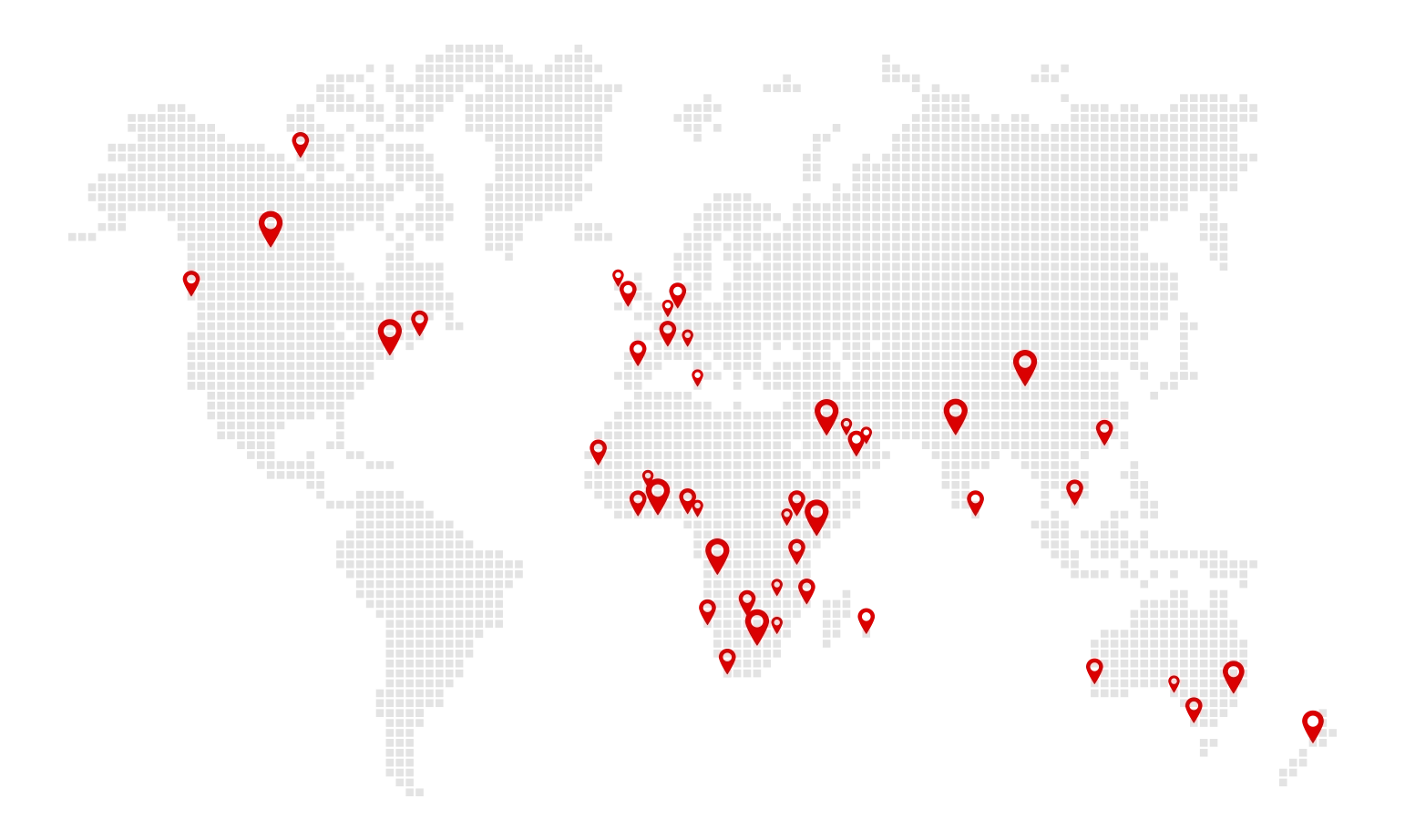
Our Global Reach