Board readiness is the question every growing Kenyan business eventually asks: are we ready for a formal board, do we have the right directors to populate it, and do those directors meet the assessment criteria that matter — to capital markets, to investors, to regulators, and to the standard the business itself wants to operate at?
In Kenya, board readiness sits at the intersection of business growth, regulatory expectations under the CMA Code and Mwongozo, and the practical question of finding directors who can carry the responsibility. This page covers what board readiness means in Kenya, the assessment criteria that apply to directors, and the path from advisory structures to a constituted, governance-mature board.
Kenyan businesses face an interesting governance pressure. The country’s investor ecosystem — local PE, regional funds, DFIs, and increasingly international capital — expects governance maturity at earlier stages than was common a decade ago. The Nairobi Securities Exchange, the Capital Markets Authority, and the broader East African Community capital integration agenda all reinforce the same direction: governance has moved from optional to expected.
Board readiness, then, is not just about compliance with the Companies Act 2015 or CMA expectations. It is about whether your business has the structures, the directors, and the governance discipline to operate credibly in the environment in which it will need to compete and raise capital.
Director-level readiness in Kenya draws on criteria that combine fiduciary, regulatory, and practical considerations:
These criteria apply differently depending on whether the business is listed (where CMA Code definitions formalise some of them), state-affiliated (where Mwongozo applies), or unlisted but growing toward institutional capital (where investor expectations become the practical standard).
For Kenyan listed companies, the CMA Code formalises board composition expectations: defined number of independent directors, separation of chair and CEO roles in most cases, audit committee requirements, and ongoing reporting on board composition and performance. The NSE Listings Manual reinforces these through specific listing-level requirements.
For state corporations, Mwongozo establishes board readiness criteria with state-specific dimensions — the role of the State Corporations Advisory Committee, sectoral oversight expectations, and the alignment between board governance and Vision 2030.
For unlisted companies, the Companies Act 2015 sets the floor. But the practical bar — set by lenders, equity investors, and partners — is increasingly closer to the CMA standard than to the Act minimum.
There is no fixed revenue threshold for board readiness in Kenya. The signals are usually more practical:
Many Kenyan businesses begin with an advisory board — external advisors with strong networks, sector expertise, or commercial credibility — who meet periodically and give the founder structured input without fiduciary responsibility. This is a sensible starting point. It builds governance discipline, exposes the business to external challenge, and tests whether external directors will work with the founder.
The transition from advisory board to formal constituted board is one of the most consequential governance moments in a business’s life. Constituted board members carry fiduciary duty, owe duties to the company under the Companies Act 2015, and are subject to the regulatory expectations that come with the company’s status. The transition needs preparation: charter and terms of reference, delegation of authority, director onboarding, board cadence design, and clarity on the founder’s evolving role.
Sirdar’s board readiness work in Kenya combines a structured diagnostic — assessing the business’s governance maturity, leadership readiness, regulatory positioning, and director-level capability — with practical support to close the gaps the diagnostic surfaces. Engagements are tailored to whether the business is preparing for CMA listing, raising DFI or PE capital, navigating generational transition, or moving from advisory to formal board governance.
The objective is a board that is ready in substance, not just on paper — directors who meet the assessment criteria, structures that match the business’s complexity, and governance disciplines that can carry the business through what comes next.
What are the assessment criteria for directors in Kenya?
Kenyan director assessment criteria typically combine fiduciary capability under the Companies Act 2015, independence where required by CMA or Mwongozo, sector and market expertise, financial literacy, strategic capability, available bandwidth, and governance experience or formal director training. The exact weighting depends on whether the business is listed, state-affiliated, or unlisted, and on the board role being filled.
When should a Kenyan business form a formal board?
There is no fixed revenue trigger. Practical signals include decision bottlenecks at the founder or MD level, capital partners requiring formal governance, rising regulatory complexity, family or founder dynamics needing structured resolution, and external stakeholders asking governance questions the business cannot currently answer. A board readiness diagnostic helps determine the right timing and structure for the specific business.
How does the CMA Code define board readiness?
The CMA Code does not use the term ‘board readiness’ as a formal category, but it defines composition, independence, committee, and disclosure requirements that together describe what a CMA-ready board looks like. For businesses preparing for NSE listing, working backwards from the CMA Code to the current board state is the standard way to identify the readiness gap.
What’s the difference between an advisory board and a CMA-compliant board?
An advisory board is informal — members provide non-binding input, carry no fiduciary duty, and are not bound by the Companies Act 2015 director responsibilities. A CMA-compliant board is formally constituted, with directors who carry fiduciary duty, independence requirements (where applicable), committee mandates, and disclosure obligations. The transition between the two is a deliberate governance step that requires preparation.
Mauritius
+230 463 7000
mauritius@sirdargroup.com
Level 8, Nexteracom Tower III, Rue du Savoir,
Cybercity, Ebene, 72201
Ghana
+233 246 386 364
ghana@sirdargroup.com
4th Floor, Stanbic Heights
215, North Liberation Road
Airport City, Accra
Kenya
+254 110 006 888
kenya@sirdargroup.com
1st Floor, Cornerstone Place,
23 St Michael’s Road (off Rhapta Road),
Muthangari, Nairobi
Western Australia
+61 482 026 914
australia@sirdargroup.com
Perth
New Zealand
+64 21 242 9383
newzealand@sirdargroup.com
Wellington
Nigeria
+234 803 595 7198
nigeria@sirdargroup.com
1 Walter Carrington Crescent,
Victoria Island, Lagos, Nigeria












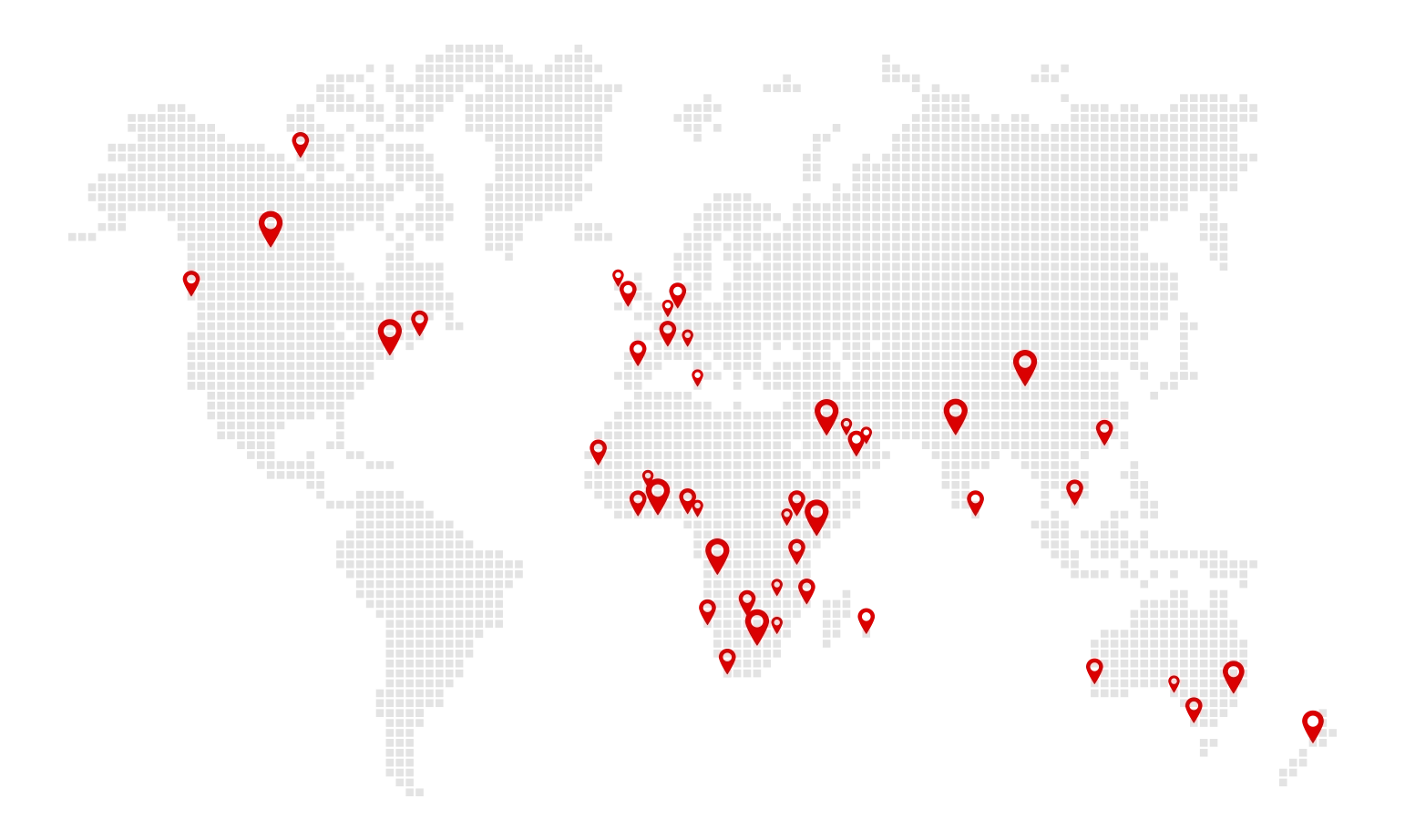



Australia Ghana Kenya Mauritius New Zealand Nigeria South Africa Tanzania
For more information contact us on info@sirdargroup.com
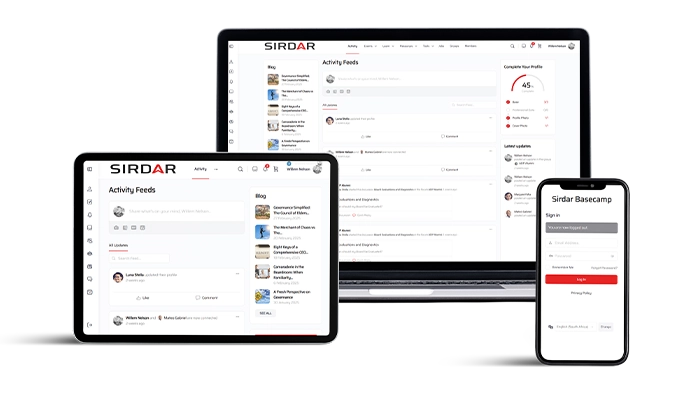
Sirdar Basecamp is the ultimate membership platform for boards and directors, designed to empower you with the tools, knowledge, and support you need to excel in governance. With Sirdar Basecamp, you gain access to expertly curated resources, practical frameworks, and a vibrant community of peers who are as dedicated to excellence as you are.

Enjoy optimal performance by leveraging our solutions to create meaningful economic impact. The result: satisfied shareholders, engaged employees, thriving communities and a better world for all.
Rely on us to support finding the ideal candidate who balances unique boardroom dynamics while bringing the required expertise, experience, values, and natural energy to deliver exceptional performance.
Gain critical insights and learnings from our relevant and practical training programmes and workshops that focus on building director- and board-level skills – all based on our robust methodology.
Navigating the complexities of statutory compliance is crucial for any business. Our comprehensive statutory compliance solutions simplify the process and cover every aspect of business administration.
Businesses that are experiencing growth encounter unique opportunities and challenges. Our solutions support ensuring good governance and best practices to take them further into the future.
Board training is key to remaining relevant and being a high-performing director. Our training and workshops are based on your specific and unique needs.
Stay future-ready by aligning today’s governance with tomorrow’s opportunities. Our case studies, job listings and blog help your board respond now and lead with foresight.
At the end of the day, directorship is about creating value and leading your organisation to success. The stakes are high, but you don’t have to do it alone. Reach out and gain a support system that empowers you to lead with confidence.


Cape Town
South Africa
+27 21 276 0540
Johannesburg
South Africa
+27 21 276 0540
Dar Es Salaam
Tanzania
+255 78 614 2424
Ebene
Mauritius
+230 463 7000
Accra
Ghana
+233 246 386 364
Nairobi
Kenya
+254 110 006 888
Wellington
New Zealand
+64 21 242 9383
Perth
Western Australia
+61 482 026 914
Lagos
Nigeria
+234 803 595 7198
Sirdar Basecamp is the ultimate membership platform for boards and directors, designed to empower you with the tools, knowledge, and support you need to excel in governance. With Sirdar Basecamp, you gain access to expertly curated resources, practical frameworks, and a vibrant community of peers who are as dedicated to excellence as you are.