The tension is real: founders and leadership teams fear that governance equals bureaucracy equals slower decisions. High-growth businesses (scaling from 5 to 50+ employees, entering new markets, raising capital) face a critical inflection point. Without governance structure, they outgrow their decision-making capability. With the wrong governance, they slow down. The Sirdar path provides structure that accelerates decision-making by creating clarity.
Founder Concentration Risk: Decision-making defaults to one or two founders. As the organisation grows, this becomes a bottleneck and a succession risk. If the founder leaves, decisions stall. What happens if the founder becomes ill?
Informal Decision-Making Doesn’t Scale: Early-stage decisions happen in conversations—quick, intuitive, founder-led. As teams grow, informal decision-making creates ambiguity. Who actually decided? Were all stakeholders consulted? What’s the record? Informal systems breed conflict and slow growth.
No Clear Escalation Framework: Growth creates complexity: people decisions, vendor agreements, customer commitments, capital deployment. Without clear authority levels and approval frameworks, every decision goes to the founder or gets stuck in bureaucracy.
Investor Expectations Outpace Governance Maturity: The moment you take external investment or approach investors, governance expectations change. Investors (VC, PE, DFIs, strategic partners) want to see decision-making frameworks, risk oversight, reporting discipline. Informal governance is no longer acceptable.
Not at a specific revenue threshold—at a complexity threshold. You need board-like governance when: (1) you have external investors or stakeholders demanding oversight, (2) your management team is too large to fit in an informal decision-making model, (3) decisions require trade-off frameworks (growth vs. profitability, market expansion vs. cost discipline), (4) you’re entering regulated sectors, (5) you’re preparing for acquisition or further capital raise. A fintech at R10m revenue might need more governance than an agricultural business at R50m. Complexity, not size, is the trigger.
A governance readiness diagnostic assesses whether your business is ready to implement a formal board as well as what governance you need right now, what will you need in 18 months, and what the gap is. The diagnostic helps high-growth businesses avoid two traps: (1) implementing governance too early and slowing down, (2) scaling without governance and making chaotic decisions. For many South African tech startups, agritech businesses, and fintech ventures, the diagnostic reveals that you need some formal governance—an advisory board, a clear decision framework, a simple reporting discipline—without requiring a fully constituted statutory board.
SA tech startups and high-growth businesses increasingly raise capital from DFIs (Development Finance Institutions) and impact investors. These investors expect documented governance—terms of reference for advisers, conflict of interest policies, decision-making frameworks. Tech incubators and acceleration programmes often embed governance development into their support. Agricultural and manufacturing businesses scaling across borders face similar pressures.
Many high-growth businesses start with an advisory board—external advisers with no formal authority, no fiduciary duty, meeting informally. As complexity increases, the advisory board evolves into a formal board with directors, mandates, and legal responsibility. This evolution isn’t binary; it’s progressive.
1. Will governance slow us down?
Not if it’s designed for your stage. Bureaucratic governance—layers of approval, formal committees, excessive reporting—will slow you down. But clear decision rights, documented authority levels, and simple reporting actually accelerate decisions by removing ambiguity. Founders spend less time discussing who decided what and more time executing.
2. At what stage should we consider a board?
When you have external investors or stakeholders who need oversight, when your management team has grown beyond the founder (and founder spouses), or when decisions involve material risk or strategic trade-offs.
3. Can we start with an advisory board?
Absolutely. An advisory board is lower formality, lower legal burden, and highly flexible. You can operate with two to four advisers meeting quarterly or on-demand. As complexity increases, you can formalize it into a board structure. Many successful SA businesses start advisory and graduate to formal boards as they raise capital.
4. How do we balance speed with oversight?
Governance should enable speed, not obstruct it. Simple rules beat complex ones. Clear authority (“CFO approves contracts under R500k, board above”) beats endless escalation. Quarterly reporting beats daily reporting. Document decisions, but don’t let documentation become the bottleneck.
Mauritius
+230 463 7000
mauritius@sirdargroup.com
Level 8, Nexteracom Tower III, Rue du Savoir,
Cybercity, Ebene, 72201
Ghana
+233 246 386 364
ghana@sirdargroup.com
4th Floor, Stanbic Heights
215, North Liberation Road
Airport City, Accra
Kenya
+254 110 006 888
kenya@sirdargroup.com
1st Floor, Cornerstone Place,
23 St Michael’s Road (off Rhapta Road),
Muthangari, Nairobi
Western Australia
+61 482 026 914
australia@sirdargroup.com
Perth
New Zealand
+64 21 242 9383
newzealand@sirdargroup.com
Wellington
Nigeria
+234 803 595 7198
nigeria@sirdargroup.com
1 Walter Carrington Crescent,
Victoria Island, Lagos, Nigeria






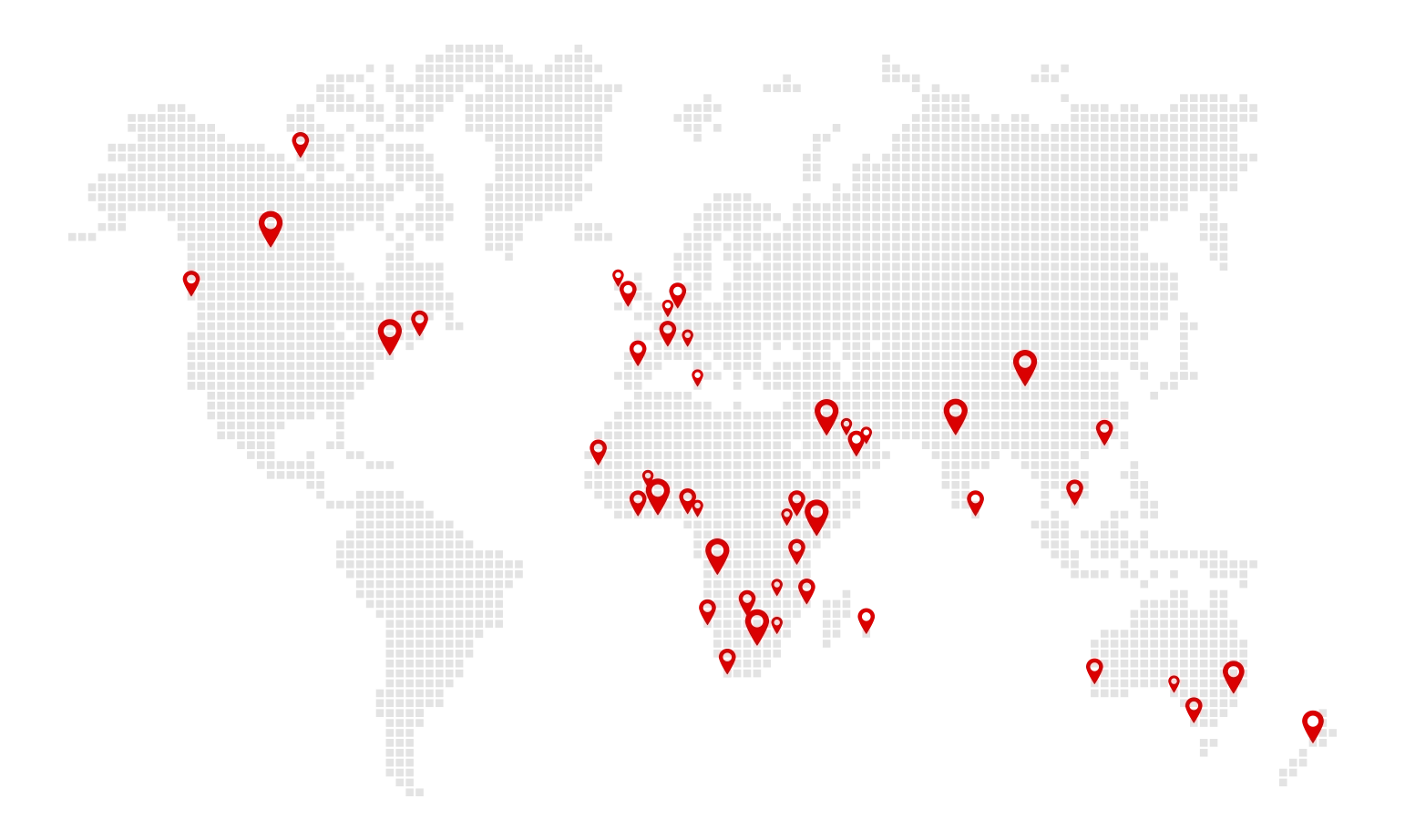



Australia Ghana Kenya Mauritius New Zealand Nigeria South Africa Tanzania
For more information contact us on info@sirdargroup.com
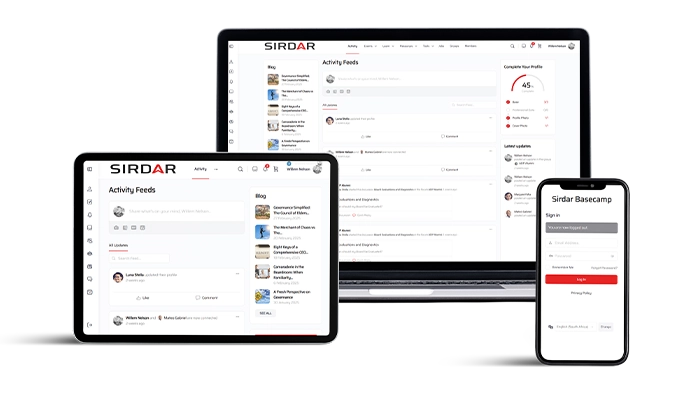
Sirdar Basecamp is the ultimate membership platform for boards and directors, designed to empower you with the tools, knowledge, and support you need to excel in governance. With Sirdar Basecamp, you gain access to expertly curated resources, practical frameworks, and a vibrant community of peers who are as dedicated to excellence as you are.

Enjoy optimal performance by leveraging our solutions to create meaningful economic impact. The result: satisfied shareholders, engaged employees, thriving communities and a better world for all.
Rely on us to support finding the ideal candidate who balances unique boardroom dynamics while bringing the required expertise, experience, values, and natural energy to deliver exceptional performance.
Gain critical insights and learnings from our relevant and practical training programmes and workshops that focus on building director- and board-level skills – all based on our robust methodology.
Navigating the complexities of statutory compliance is crucial for any business. Our comprehensive statutory compliance solutions simplify the process and cover every aspect of business administration.
Businesses that are experiencing growth encounter unique opportunities and challenges. Our solutions support ensuring good governance and best practices to take them further into the future.
Board training is key to remaining relevant and being a high-performing director. Our training and workshops are based on your specific and unique needs.
Stay future-ready by aligning today’s governance with tomorrow’s opportunities. Our case studies, job listings and blog help your board respond now and lead with foresight.
At the end of the day, directorship is about creating value and leading your organisation to success. The stakes are high, but you don’t have to do it alone. Reach out and gain a support system that empowers you to lead with confidence.


Cape Town
South Africa
+27 21 276 0540
Johannesburg
South Africa
+27 21 276 0540
Dar Es Salaam
Tanzania
+255 78 614 2424
Ebene
Mauritius
+230 463 7000
Accra
Ghana
+233 246 386 364
Nairobi
Kenya
+254 110 006 888
Wellington
New Zealand
+64 21 242 9383
Perth
Western Australia
+61 482 026 914
Lagos
Nigeria
+234 803 595 7198
Sirdar Basecamp is the ultimate membership platform for boards and directors, designed to empower you with the tools, knowledge, and support you need to excel in governance. With Sirdar Basecamp, you gain access to expertly curated resources, practical frameworks, and a vibrant community of peers who are as dedicated to excellence as you are.