
Kenya’s economy is being shaped, increasingly, by founder-led businesses. From technology and fintech to agribusiness, manufacturing, professional services, and consumer brands, Kenyan founders have built some of East Africa’s most influential private companies. The strength of founder-led leadership — speed, conviction, deep market understanding, personal accountability — is also the source of the governance challenges that emerge as the business scales, raises capital, or prepares for the founder’s eventual transition.
Founder-led governance in Kenya is the structured framework that allows a founder to retain strategic intent and decision-making influence while introducing the oversight, discipline, and accountability that capital partners, regulators, and the next phase of growth require. Done well, governance does not diminish the founder. It extends the founder’s reach.
Kenya is one of Africa’s most active founder economies. Nairobi has earned its position as a regional tech hub, with fintech, agritech, healthtech, and logistics founders attracting domestic and international capital at scale. Beyond technology, Kenyan founders dominate sectors from manufacturing and FMCG to professional services and real estate. The result is a private-sector landscape in which founder-led businesses are not the exception — they are a defining feature.
Governance becomes critical for these businesses at predictable inflection points: when external capital arrives, when regulatory complexity rises, when the founder needs to focus on strategy rather than operations, when leadership succession comes into view, and when the business outgrows the informal decision-making structures that worked in earlier stages. Founders who anticipate these inflections and build governance proactively retain control of how their business evolves. Founders who wait until governance is forced on them — by an investor, a regulator, or a crisis — usually find the terms less favourable.
Founder-led businesses in Kenya tend to share a recognisable set of governance pressure points:
These are not failures. They are normal consequences of founder-led growth. Governance is the means by which they are addressed.
For Kenyan founder-led businesses moving toward listing on the NSE — including the Growth Enterprise Market Segment for SMEs — the CMA Code of Corporate Governance Practices for Issuers becomes the destination point for governance design. The Code’s expectations on independent directors, board committees, and board effectiveness reshape what ‘control’ means for the founder. The transition is not a loss of influence; it is a reallocation of influence into structured channels.
For founder-led businesses with state-corporation partnerships or public-sector linkages, Mwongozo expectations may also apply indirectly. The Companies Act 2015 sets the underlying floor of director duties, fiduciary obligations, and reporting requirements that all Kenyan founders need to understand as their businesses formalise.
The challenge for Kenyan founders is not whether to build governance — capital and growth force the question — but how to build it without losing the speed, conviction, and personal accountability that defined the business in earlier stages.
Kenyan founder-led businesses raising capital from domestic PE, regional investors (East African Community capital), DFIs (DEG, FMO, IFC, AfDB, BII), or international funds face a governance bar that has risen significantly in recent years. The bar is not arbitrary — it reflects real lessons from past investment experiences and the maturing expectations of the broader African capital ecosystem.
The strongest Kenyan founder-led businesses build governance ahead of capital, not in response to it. The 12–18 month period before a capital raise is the right window to establish board composition, governance documentation, board cadence, and evaluation discipline. Governance retrofitted in the final weeks before a deal close is visible to investors and rarely produces the valuation premium that genuine governance maturity earns.
Sirdar works with Kenyan founder-led businesses across stages — from advisory board structuring through pre-investment governance preparation, board composition, board evaluation, and succession planning. Engagements are designed to be founder-friendly: governance that supports the founder rather than replaces them, structured to fit the business’s growth stage, and aligned with the regulatory environment the business will need to operate in.
The objective is sustainable governance that preserves what made the business successful and prepares it for what comes next. Founders who get this right do not lose control. They gain leverage.
When should a Kenyan founder bring in a formal board?
There is no fixed trigger, but practical signals include rising regulatory complexity, capital partners demanding formal governance, decision-making bottlenecks at the founder level, succession questions emerging, or co-founder dynamics needing structured resolution. Most Kenyan founder-led businesses move from advisory board to formal board ahead of an institutional capital raise, with 12–18 months of preparation.
How do you preserve founder vision while introducing oversight?
Through deliberate governance design: decision rights that separate strategic from operational decisions, board composition that brings constructive challenge rather than ceremonial agreement, charter language that protects founder strategic latitude on the things that matter, and a cadence that keeps the board engaged in strategy rather than re-running operations. The aim is governance that extends the founder’s influence, not that dilutes it.
What governance do DFIs and PE investors expect from Kenyan founder-led businesses?
DFIs and PE investors expect formal board composition (with independent directors), audit and risk committee structures, charter and delegation of authority documentation, regular board cadence with documented minutes, and evidence of board effectiveness. DFIs additionally expect ESG and developmental impact governance — board engagement with social, environmental, and developmental outcomes, not just financial performance.
How does the CMA Code apply to founder-led firms moving to listing?
The CMA Code of Corporate Governance Practices for Issuers becomes the binding governance framework once a Kenyan business lists. For founder-led firms, this typically requires significant pre-listing preparation: independent director recruitment, audit and remuneration committee establishment, charter and DoA documentation, internal audit capability, and board evaluation work. Listing-readiness work usually begins 18–24 months before the planned listing date.
Mauritius
+230 463 7000
mauritius@sirdargroup.com
Level 8, Nexteracom Tower III, Rue du Savoir,
Cybercity, Ebene, 72201
Ghana
+233 246 386 364
ghana@sirdargroup.com
4th Floor, Stanbic Heights
215, North Liberation Road
Airport City, Accra
Kenya
+254 110 006 888
kenya@sirdargroup.com
1st Floor, Cornerstone Place,
23 St Michael’s Road (off Rhapta Road),
Muthangari, Nairobi
Western Australia
+61 482 026 914
australia@sirdargroup.com
Perth
New Zealand
+64 21 242 9383
newzealand@sirdargroup.com
Wellington
Nigeria
+234 803 595 7198
nigeria@sirdargroup.com
1 Walter Carrington Crescent,
Victoria Island, Lagos, Nigeria
















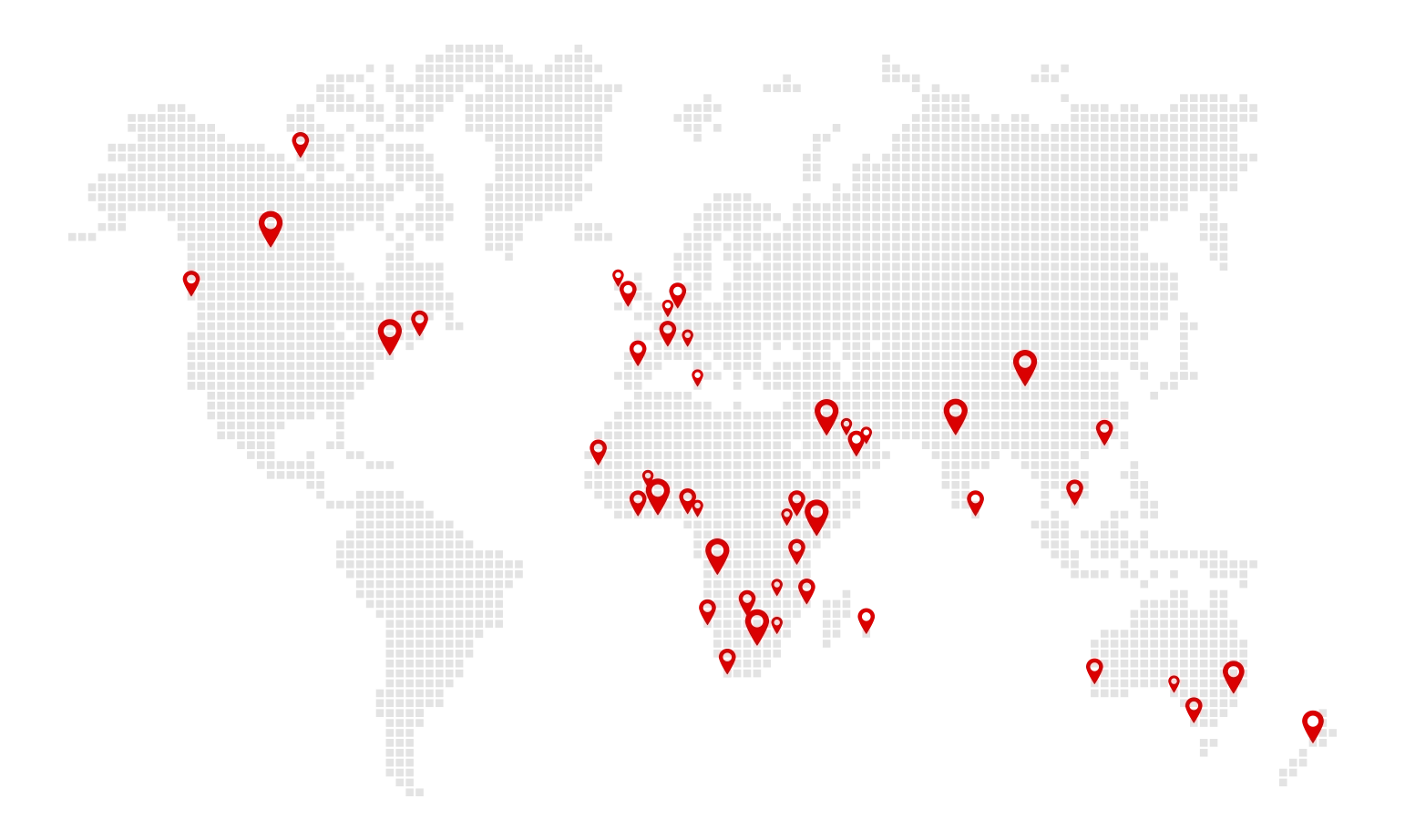



Australia Ghana Kenya Mauritius New Zealand Nigeria South Africa Tanzania
For more information contact us on info@sirdargroup.com
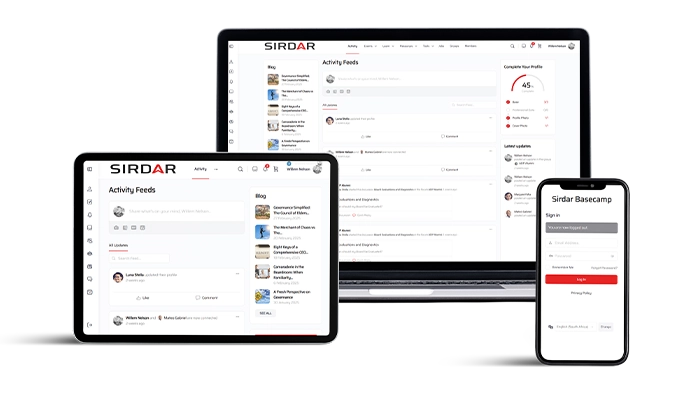
Sirdar Basecamp is the ultimate membership platform for boards and directors, designed to empower you with the tools, knowledge, and support you need to excel in governance. With Sirdar Basecamp, you gain access to expertly curated resources, practical frameworks, and a vibrant community of peers who are as dedicated to excellence as you are.

Enjoy optimal performance by leveraging our solutions to create meaningful economic impact. The result: satisfied shareholders, engaged employees, thriving communities and a better world for all.
Rely on us to support finding the ideal candidate who balances unique boardroom dynamics while bringing the required expertise, experience, values, and natural energy to deliver exceptional performance.
Gain critical insights and learnings from our relevant and practical training programmes and workshops that focus on building director- and board-level skills – all based on our robust methodology.
Navigating the complexities of statutory compliance is crucial for any business. Our comprehensive statutory compliance solutions simplify the process and cover every aspect of business administration.
Businesses that are experiencing growth encounter unique opportunities and challenges. Our solutions support ensuring good governance and best practices to take them further into the future.
Board training is key to remaining relevant and being a high-performing director. Our training and workshops are based on your specific and unique needs.
Stay future-ready by aligning today’s governance with tomorrow’s opportunities. Our case studies, job listings and blog help your board respond now and lead with foresight.
At the end of the day, directorship is about creating value and leading your organisation to success. The stakes are high, but you don’t have to do it alone. Reach out and gain a support system that empowers you to lead with confidence.


Cape Town
South Africa
+27 21 276 0540
Johannesburg
South Africa
+27 21 276 0540
Dar Es Salaam
Tanzania
+255 78 614 2424
Ebene
Mauritius
+230 463 7000
Accra
Ghana
+233 246 386 364
Nairobi
Kenya
+254 110 006 888
Wellington
New Zealand
+64 21 242 9383
Perth
Western Australia
+61 482 026 914
Lagos
Nigeria
+234 803 595 7198
Sirdar Basecamp is the ultimate membership platform for boards and directors, designed to empower you with the tools, knowledge, and support you need to excel in governance. With Sirdar Basecamp, you gain access to expertly curated resources, practical frameworks, and a vibrant community of peers who are as dedicated to excellence as you are.