
Mauritius’s economy is shaped, in significant part, by family-owned businesses. Long-established conglomerates trace their roots through colonial-era trading, sugar, manufacturing, and financial services, while a newer generation of family-led businesses has emerged in tourism, real estate, financial services, and technology. Family ownership is a structural feature of Mauritian private enterprise — and the governance discipline that supports family ownership across generations is increasingly recognised as the work that determines whether Mauritian family wealth grows or fragments.
Family business governance in Mauritius is the structured framework that lets a family-owned business retain its family character while introducing the discipline, oversight, and accountability that the next generation, capital partners, and the country’s IFC-grade governance environment expect. It protects family relationships and unlocks the next phase of growth.
Mauritian family businesses span sugar and agribusiness, manufacturing and textiles, financial services and global business, retail and distribution, hospitality and real estate. Many of the country’s largest private groups are family-owned, and the country’s mid-market is dominated by founder-led and second- or third-generation businesses. This concentration has shaped governance practice — often informally — over decades.
What is changing is the operating environment. Mauritian family businesses face capital, regulatory, and generational pressures that did not apply, in the same form, a generation ago. The 2016 Code has raised reference points. The FSC’s substance and governance requirements have evolved. The next generation is more globally educated, more questioning, and less willing to defer indefinitely. Family business governance, accordingly, has moved from optional to essential.
Generational transition is the single most predictable governance pressure point in a Mauritian family business. Founders carry intent, relationships, and informal decision-making authority that does not transfer cleanly to the second or third generation. The next generation typically arrives with different skills, different international exposure, and a desire to be heard formally — not just consulted privately.
Without governance structure, this transition produces friction. With governance structure, it produces a measured handover that protects family relationships and the business itself. The structure does not need to be elaborate, but it needs to be intentional — a board that meets formally, decision rights that are documented, a family charter that captures values and conflict-resolution norms, and a succession plan that exists on paper rather than in the founder’s head.
The National Code of Corporate Governance for Mauritius (2016) applies formally to public-interest entities, but its principles increasingly anchor family business governance practice. Family businesses that work with FSC-regulated counterparties, family businesses considering listing on SEM, or family businesses simply wanting to operate at the standard the country is known for, look to the Code as the reference point.
For family business boards, the Code principles that apply most directly cover board composition (the right balance of family directors, independents, and executives), board responsibilities (clear separation of family and business decisions), governance reporting (transparent disclosure of governance practices), and stakeholder governance (recognition that family businesses serve multiple stakeholders, not just family shareholders). A family business does not need to mirror a listed company’s structure to be Code-aligned. It needs to be intentional about which principles apply and how they are implemented in a family context.
The strongest Mauritian family business boards combine three director types:
The right balance depends on the size of the business, the stage of generational transition, the regulatory environment (FSC-regulated subsidiaries, SEM-listed group companies), and the international reach of the family’s business interests.
Succession is the single most common reason Mauritian family businesses commission governance work. The trigger is usually a founder approaching retirement, a generational pressure that has built up, or the realisation that ownership and control questions need to be answered before they answer themselves through default or conflict.
Mauritian family governance often integrates trust structures — discretionary trusts, foundation arrangements, holding company architectures — that interact with board governance in ways purely operational businesses do not face. A family charter, supported by board governance documentation, provides the framework that ties these structures together. It captures the family’s values, ownership philosophy, decision-making norms, and conflict-resolution practices in a way that survives generational handover and preserves family wealth across decades.
Sirdar works with Mauritian family businesses on board composition, family charter development, succession planning, and the wider governance infrastructure that family enterprises need as they scale. Engagements typically combine a governance readiness diagnostic, board composition design, charter and policy work, and tailored support for the specific generational or regulatory transition the family is navigating.
The objective is governance that serves the family and the business — that protects relationships, preserves intent across generations, and gives the next generation a structured path into ownership and leadership while meeting the standards the Mauritian operating environment expects.
When does a Mauritian family business need a formal board?
There is no fixed revenue threshold. Practical signals include the business growing beyond what the founder can personally oversee, capital partners requiring governance evidence, generational succession approaching, family-versus-business decisions creating friction, and regulatory complexity (FSC, SEM) requiring structured oversight. A board readiness diagnostic helps a family decide whether to formalise now or strengthen advisory structures first.
How does the 2016 Code apply to family-owned firms?
The Code applies formally to public-interest entities, but its principles increasingly anchor family business governance norms. Family businesses with FSC-regulated subsidiaries, SEM-listed group companies, or significant counterparty relationships use the Code as a reference point. A family business does not need to mirror a listed company’s structure to be Code-aligned — it needs to be intentional about which principles apply and how they are implemented in a family context.
How do trust structures interact with family business governance in Mauritius?
Mauritian family wealth is often structured through trusts, foundations, and holding company arrangements. These structures interact with operating business governance in important ways — director appointment rights, dividend and reinvestment decisions, succession provisions, and conflict-of-interest management. Effective family governance integrates the trust dimension explicitly through a family charter that addresses how trustees, beneficiaries, and operating boards relate to one another.
What’s the role of independent directors in a Mauritian family business?
Independent directors bring external perspective, sector expertise, and the ability to challenge family directors and the founder with rigour. They protect the business from family blind spots and bring credibility with banks, FSC regulators, capital partners, and counterparties who treat independent oversight as a quality signal. For Mauritian family businesses with international operations, regionally-experienced independents are particularly valuable.
Mauritius
+230 463 7000
mauritius@sirdargroup.com
Level 8, Nexteracom Tower III, Rue du Savoir,
Cybercity, Ebene, 72201
Ghana
+233 246 386 364
ghana@sirdargroup.com
4th Floor, Stanbic Heights
215, North Liberation Road
Airport City, Accra
Kenya
+254 110 006 888
kenya@sirdargroup.com
1st Floor, Cornerstone Place,
23 St Michael’s Road (off Rhapta Road),
Muthangari, Nairobi
Western Australia
+61 482 026 914
australia@sirdargroup.com
Perth
New Zealand
+64 21 242 9383
newzealand@sirdargroup.com
Wellington
Nigeria
+234 803 595 7198
nigeria@sirdargroup.com
1 Walter Carrington Crescent,
Victoria Island, Lagos, Nigeria
















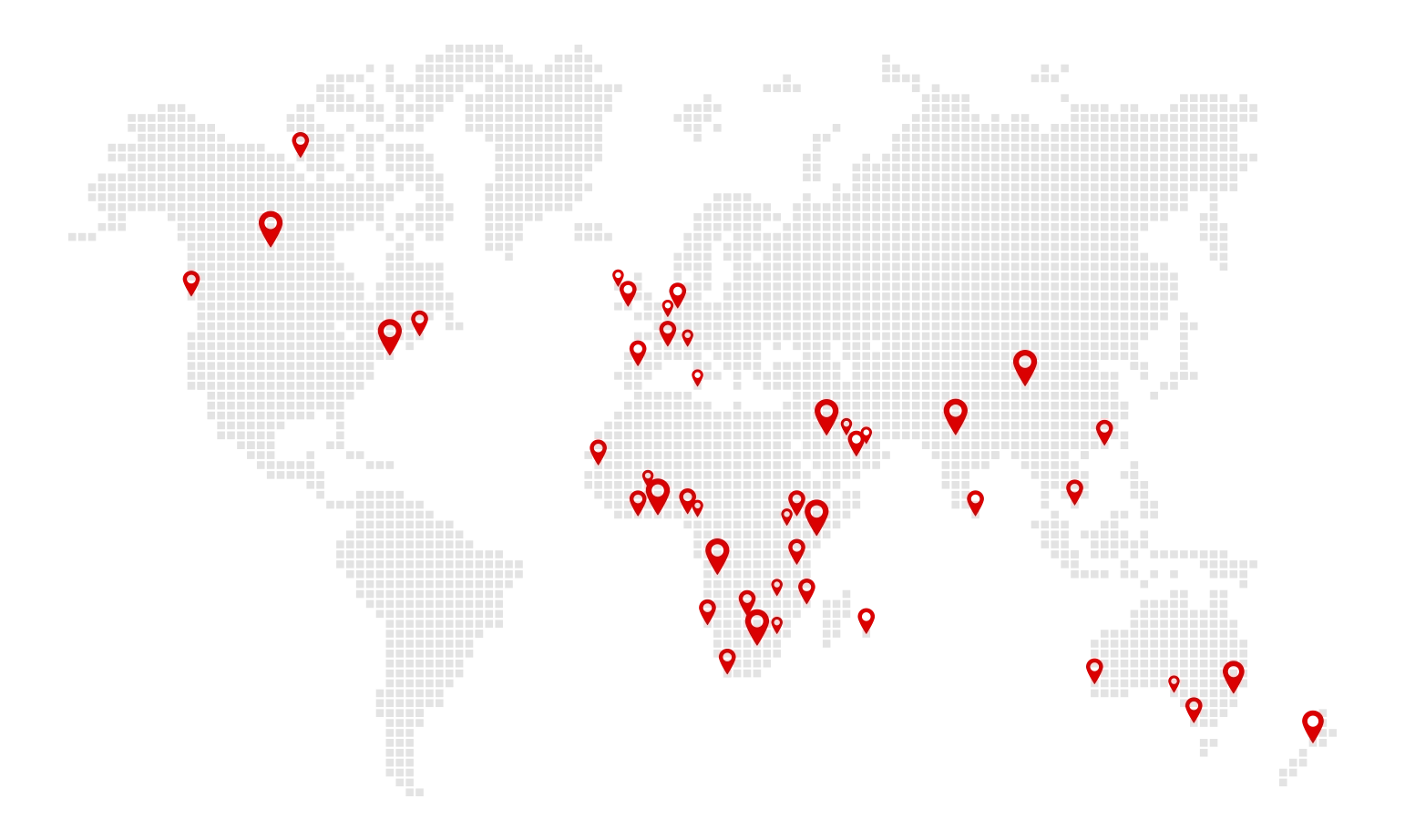



Australia Ghana Kenya Mauritius New Zealand Nigeria South Africa Tanzania
For more information contact us on info@sirdargroup.com
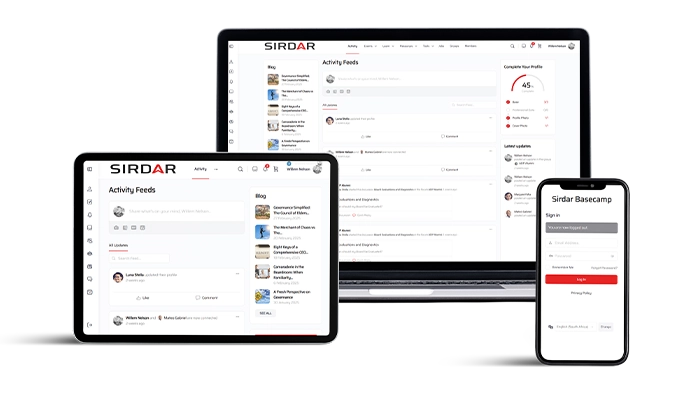
Sirdar Basecamp is the ultimate membership platform for boards and directors, designed to empower you with the tools, knowledge, and support you need to excel in governance. With Sirdar Basecamp, you gain access to expertly curated resources, practical frameworks, and a vibrant community of peers who are as dedicated to excellence as you are.

Enjoy optimal performance by leveraging our solutions to create meaningful economic impact. The result: satisfied shareholders, engaged employees, thriving communities and a better world for all.
Rely on us to support finding the ideal candidate who balances unique boardroom dynamics while bringing the required expertise, experience, values, and natural energy to deliver exceptional performance.
Gain critical insights and learnings from our relevant and practical training programmes and workshops that focus on building director- and board-level skills – all based on our robust methodology.
Navigating the complexities of statutory compliance is crucial for any business. Our comprehensive statutory compliance solutions simplify the process and cover every aspect of business administration.
Businesses that are experiencing growth encounter unique opportunities and challenges. Our solutions support ensuring good governance and best practices to take them further into the future.
Board training is key to remaining relevant and being a high-performing director. Our training and workshops are based on your specific and unique needs.
Stay future-ready by aligning today’s governance with tomorrow’s opportunities. Our case studies, job listings and blog help your board respond now and lead with foresight.
At the end of the day, directorship is about creating value and leading your organisation to success. The stakes are high, but you don’t have to do it alone. Reach out and gain a support system that empowers you to lead with confidence.


Cape Town
South Africa
+27 21 276 0540
Johannesburg
South Africa
+27 21 276 0540
Dar Es Salaam
Tanzania
+255 78 614 2424
Ebene
Mauritius
+230 463 7000
Accra
Ghana
+233 246 386 364
Nairobi
Kenya
+254 110 006 888
Wellington
New Zealand
+64 21 242 9383
Perth
Western Australia
+61 482 026 914
Lagos
Nigeria
+234 803 595 7198
Sirdar Basecamp is the ultimate membership platform for boards and directors, designed to empower you with the tools, knowledge, and support you need to excel in governance. With Sirdar Basecamp, you gain access to expertly curated resources, practical frameworks, and a vibrant community of peers who are as dedicated to excellence as you are.