
Family-owned businesses carry unique governance challenges. Ownership and management are often intertwined, succession is laden with emotion, and the desire to keep things informal can work against clarity. Yet governance is precisely what family businesses need most—structures that reduce conflict, support succession planning, and strengthen oversight without stifling entrepreneurship.
Family businesses often struggle with blurred lines between ownership and management. Decisions are made in informal settings—over dinner, at family gatherings—and then implemented through formal channels. This can lead to confusion about who decides what. Succession planning is often fraught with anxiety: there may be unspoken expectations about which family member will take over, or reluctance to formalise a transition plan. Multiple family branches may have competing interests, leading to conflict when governance structures are weak. And the emotional stakes—legacy, fairness, family harmony—mean that decision-making can become clouded by family dynamics rather than grounded in business logic.
Effective governance doesn’t diminish family character; it protects it. Clear structures around decision rights mean family members know who decides what and why. Formalised board processes create a container for conflict resolution, allowing difficult conversations to happen in a structured way rather than festering in the background. Succession planning becomes less about unspoken expectations and more about real capability, readiness, and alignment. A well-structured board provides external perspective, reducing groupthink and bringing accountability.
A board evaluation helps family businesses understand how governance is actually functioning. Are family members clear on their roles? Are decisions being made collaboratively or dominated by the senior generation? Where is there misalignment between family and business interests? Is the board equipped for succession? These are the questions an evaluation surfaces, creating the foundation for change.
Just as the Sherpa’s role is to safely guide climbers on a mountain expedition, Sirdar guides families through the complex terrain of governance. We understand that family businesses are not ordinary commercial entities—they carry history, emotion, and legacy. Our evaluation process is designed to be confidential, respectful, and focused on what will serve the family and the business for the long term. We help families articulate their governance needs, identify strengths, and design board structures that work for their unique context.
Family members sometimes hesitate to voice concerns to one another, worried about hurt feelings or family conflict. An external evaluator creates a confidential space for honest feedback. Board members speak more openly when they know their comments are confidential and will be aggregated rather than attributed. An external perspective also brings impartiality and credibility to findings and recommendations.
Family dynamics are central to our approach. We’re trained in family systems and the particular sensitivities of family businesses. Confidentiality is absolute—individual comments are never attributed. Our reporting focuses on patterns and systemic issues, not on individual performance. We also help families structure conversations so that difficult topics can be discussed productively.
This is nuanced. Some family businesses thrive with a board comprised entirely of family members—provided that board is well-structured and disciplined. Others benefit from a mix of family and independent directors, bringing both insider knowledge and external perspective. The right answer depends on the family’s governance maturity, the nature of the business, and the family’s long-term vision. An evaluation helps clarify what’s right for your situation.
As the family grows and succeeding generations enter the business, governance becomes more complex. Multi-generational structures typically include a family council (where all family members can voice interests), a board (where governance authority resides), and management (who execute strategy). Clarity about which forum handles which decisions prevents overlap and conflict.
Mauritius
+230 463 7000
mauritius@sirdargroup.com
Level 8, Nexteracom Tower III, Rue du Savoir,
Cybercity, Ebene, 72201
Ghana
+233 246 386 364
ghana@sirdargroup.com
4th Floor, Stanbic Heights
215, North Liberation Road
Airport City, Accra
Kenya
+254 110 006 888
kenya@sirdargroup.com
1st Floor, Cornerstone Place,
23 St Michael’s Road (off Rhapta Road),
Muthangari, Nairobi
Western Australia
+61 482 026 914
australia@sirdargroup.com
Perth
New Zealand
+64 21 242 9383
newzealand@sirdargroup.com
Wellington
Nigeria
+234 803 595 7198
nigeria@sirdargroup.com
1 Walter Carrington Crescent,
Victoria Island, Lagos, Nigeria
















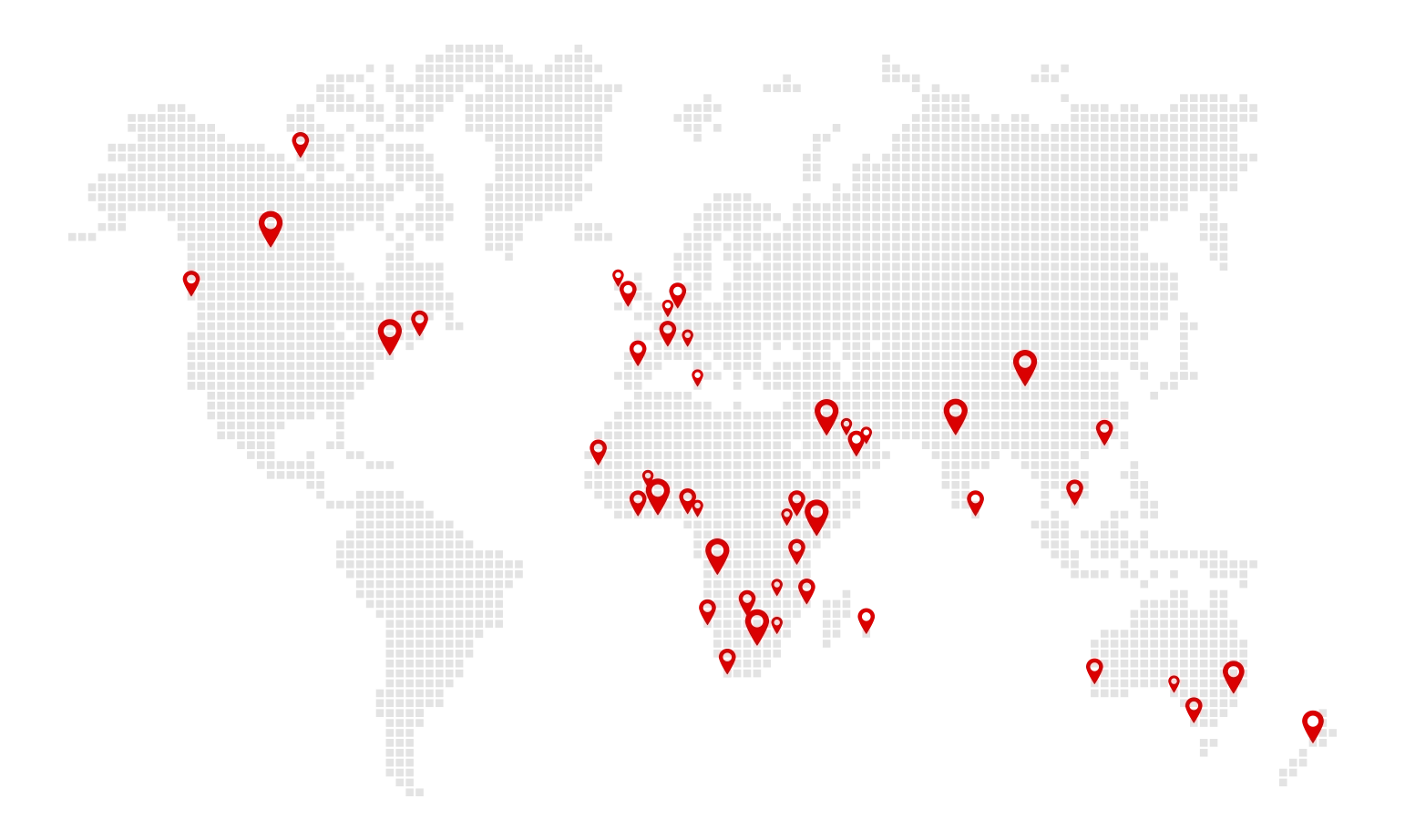



Australia Ghana Kenya Mauritius New Zealand Nigeria South Africa Tanzania
For more information contact us on info@sirdargroup.com
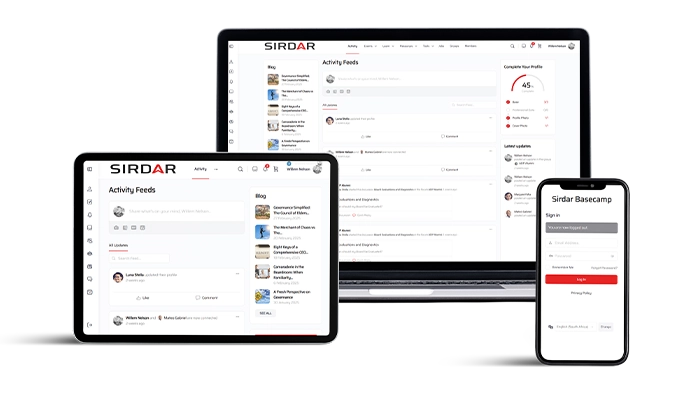
Sirdar Basecamp is the ultimate membership platform for boards and directors, designed to empower you with the tools, knowledge, and support you need to excel in governance. With Sirdar Basecamp, you gain access to expertly curated resources, practical frameworks, and a vibrant community of peers who are as dedicated to excellence as you are.

Enjoy optimal performance by leveraging our solutions to create meaningful economic impact. The result: satisfied shareholders, engaged employees, thriving communities and a better world for all.
Rely on us to support finding the ideal candidate who balances unique boardroom dynamics while bringing the required expertise, experience, values, and natural energy to deliver exceptional performance.
Gain critical insights and learnings from our relevant and practical training programmes and workshops that focus on building director- and board-level skills – all based on our robust methodology.
Navigating the complexities of statutory compliance is crucial for any business. Our comprehensive statutory compliance solutions simplify the process and cover every aspect of business administration.
Businesses that are experiencing growth encounter unique opportunities and challenges. Our solutions support ensuring good governance and best practices to take them further into the future.
Board training is key to remaining relevant and being a high-performing director. Our training and workshops are based on your specific and unique needs.
Stay future-ready by aligning today’s governance with tomorrow’s opportunities. Our case studies, job listings and blog help your board respond now and lead with foresight.
At the end of the day, directorship is about creating value and leading your organisation to success. The stakes are high, but you don’t have to do it alone. Reach out and gain a support system that empowers you to lead with confidence.


Cape Town
South Africa
+27 21 276 0540
Johannesburg
South Africa
+27 21 276 0540
Dar Es Salaam
Tanzania
+255 78 614 2424
Ebene
Mauritius
+230 463 7000
Accra
Ghana
+233 246 386 364
Nairobi
Kenya
+254 110 006 888
Wellington
New Zealand
+64 21 242 9383
Perth
Western Australia
+61 482 026 914
Lagos
Nigeria
+234 803 595 7198
Sirdar Basecamp is the ultimate membership platform for boards and directors, designed to empower you with the tools, knowledge, and support you need to excel in governance. With Sirdar Basecamp, you gain access to expertly curated resources, practical frameworks, and a vibrant community of peers who are as dedicated to excellence as you are.