
A high-functioning board is rarely an accident. It’s deliberate composition—the right mix of people, perspectives, skills, and personalities working in concert. But ‘balance’ is easily misunderstood. It’s not about demographics. It’s about capabilities, contribution patterns, challenge quality, and the dynamics those create.
An unbalanced board becomes dysfunctional: dominated by a single personality, captured by consensus, siloed by skill, or passive. Understanding what balance looks like—and how to diagnose and address imbalance—is foundational to governance effectiveness.
Diversity of thought matters. Demographic diversity tends to correlate with diverse thinking, but boards can be demographically diverse yet intellectually homogeneous. The Sirdar approach focuses on cognitive and capability diversity: strategists and operators, challengers and supporters, industry experts and governance specialists, visionaries and implementers.
A balanced board has expertise required to govern the organisation’s strategy and risks. If you’re a financial services firm with no financial background on the board, you have a problem. But skills shouldn’t cluster—if everyone’s an accountant, nobody brings market perspective. Balance means you have the skills you need, distributed enough that expertise isn’t concentrated in one person.
Healthy boards have genuine disagreement—not destructive conflict, but principled difference. Conservative voices push back on risk. Ambitious voices push for growth. Customer-centric voices challenge operational thinking. This diversity prevents groupthink and enables good decisions.
A balanced board has even contribution patterns without dramatic dominance or silence. When one director speaks 60% of the time, you don’t have balance. When every director has space to contribute, thinking is full-spectrum. Contribution Compass provides insight into who contributes in what manner.
Often, the founder, longest-serving director, or most articulate person consumes boardroom air while others defer. Decisions reflect their preference. This is particularly common in founder-led or family businesses.
The flip side: a board so focused on harmony that genuine disagreement is avoided. Decisions are made through implicit consensus. Concerns are raised privately after meetings. This is comfortable but produces the same results as groupthink.
Everyone’s an accountant, or everyone’s from the same industry. Deep expertise in one area but blinkered perspective. Critical perspectives are absent.
Some directors contribute minimally. They attend, stay quiet, don’t ask hard questions. They’re there but not present. This is a composition imbalance—the director either shouldn’t be on the board, or their role needs clarifying.
External evaluation surfaces dynamics boards often don’t see: which relationships are tense, who dominates, who’s silent, contribution imbalance, passive directors, chair effectiveness, psychological safety, and composition gaps.
The Sirdar board evaluation processes supported by Contribution Compass insights provide the board a visual understanding of their composition and dynamics.
1. Clarify expectations. If a director is passive, clarity on contribution expectations can help. Maybe they need mentoring. Or maybe they’re wrong for the role.
2. Intentional recruitment. When recruiting, think deliberately about composition balance. What perspectives do you lack? What skills are missing? Use this to brief recruiters—you’re not just finding ‘an experienced executive’, you’re finding someone whose natural contribution is operational discipline.
3. Chair leadership. The chair can actively manage dynamics: creating space for quieter voices, slowing down fast deciders, surfacing assumptions, explicitly inviting dissent.
4. Committee strategy. Use committee structure to provide platform for underrepresented voices or skills.
5. Succession and tenure planning. Sometimes rebalancing requires moving people off the board. Rotation, term limits, and managed transitions enable composition changes.
Also consider how your board’s composition serves your strategic priorities. If you’re in a period of rapid growth and market expansion, you need directors with growth experience and market insight. If you’re navigating regulatory change or entering regulated sectors, you need governance and compliance depth. If you’re managing family succession or founder transition, you need directors experienced in those specific challenges. Composition should be deliberately matched to your strategic moment, not simply inherited from your board’s past.
Beyond these immediate questions, consider also the diversity of perspective your board brings. Diversity isn’t just about demographics—though that matters. It’s about ensuring your board includes directors who think differently, who challenge from different angles, and who bring different professional backgrounds and life experiences. Cognitive diversity drives better decisions because it counters groupthink, surfaces hidden assumptions, and ensures you’re seeing risks and opportunities from multiple angles.
Board size depends on complexity. Having too few board members can cause a lack of diversity; having too many means less agility. Committee structure should be driven by strategy and risks, not tradition. The role of management on the board varies by governance philosophy. Independence is generally desirable but you need balance with organisational knowledge.
How many directors should a board have?
Typically 5–15. Too few lacks diversity and is vulnerable to dominance. Too many becomes unwieldy. A lean, engaged board of 7–9 often works well. What matters more than size is balance within the size you choose.
What’s more important—industry expertise or governance experience?
Both, for different reasons. Industry expertise helps you evaluate strategy and spot sector-specific risks. Governance experience helps you structure decisions well and manage dynamics that separate functional from dysfunctional boards. Ideally you have mix; if not, get specialists in each.
How do you address a dominant personality?
First, determine if it’s a capability problem (they contribute value but need to hear others) or a governance problem (they prevent the board from functioning). For capability, active facilitation by the chair helps. For governance, invest in board member development such as through the Applied Directorship Programme.
Should board composition change as the business evolves?
Absolutely. A board composed for startup growth may not suit scaled operations. Smart boards revisit composition every 2–3 years: ‘Given where we are and what’s coming, is our composition right?’ This keeps you ahead of problems.
Mauritius
+230 463 7000
mauritius@sirdargroup.com
Level 8, Nexteracom Tower III, Rue du Savoir,
Cybercity, Ebene, 72201
Ghana
+233 246 386 364
ghana@sirdargroup.com
4th Floor, Stanbic Heights
215, North Liberation Road
Airport City, Accra
Kenya
+254 110 006 888
kenya@sirdargroup.com
1st Floor, Cornerstone Place,
23 St Michael’s Road (off Rhapta Road),
Muthangari, Nairobi
Western Australia
+61 482 026 914
australia@sirdargroup.com
Perth
New Zealand
+64 21 242 9383
newzealand@sirdargroup.com
Wellington
Nigeria
+234 803 595 7198
nigeria@sirdargroup.com
1 Walter Carrington Crescent,
Victoria Island, Lagos, Nigeria
















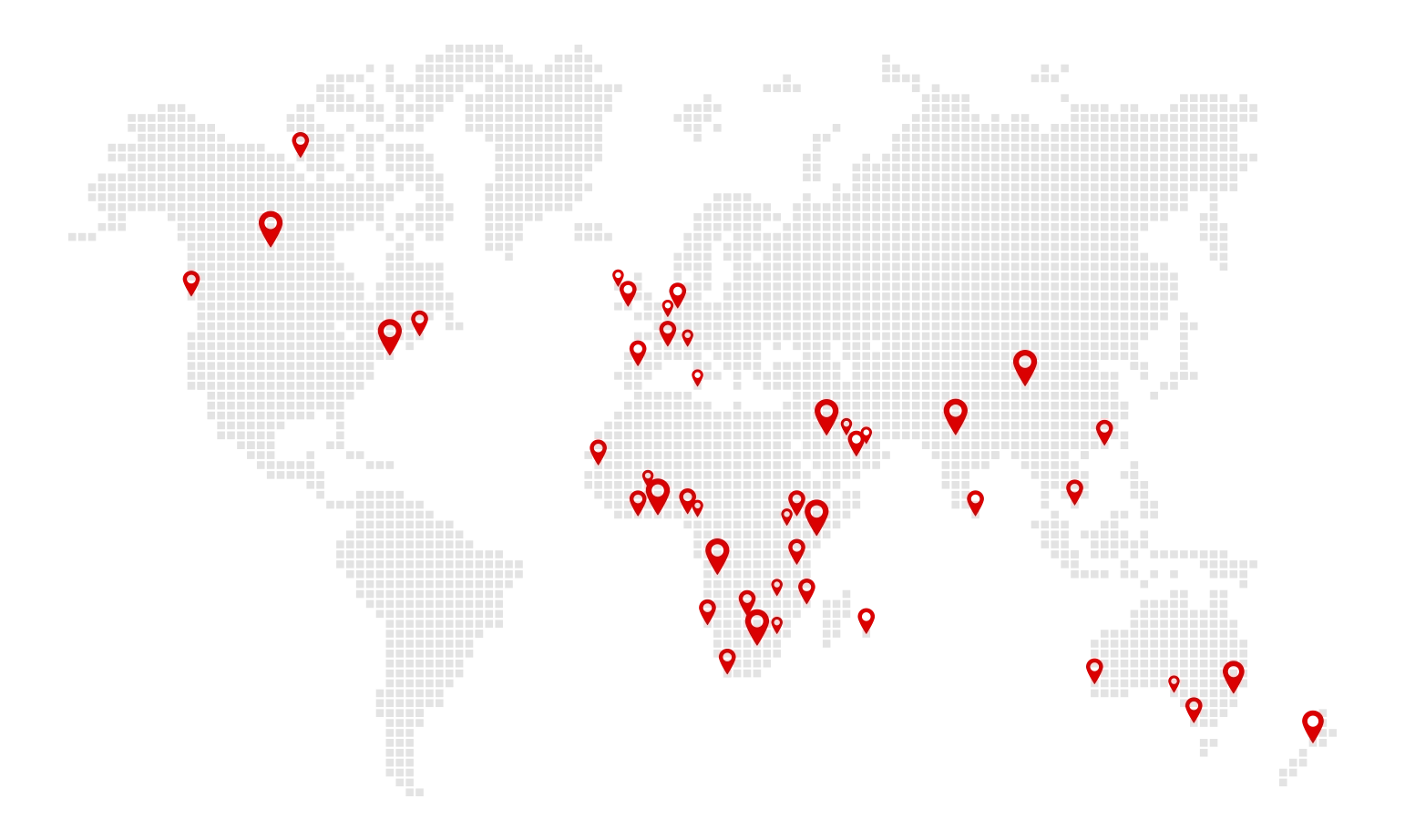



Australia Ghana Kenya Mauritius New Zealand Nigeria South Africa Tanzania
For more information contact us on info@sirdargroup.com
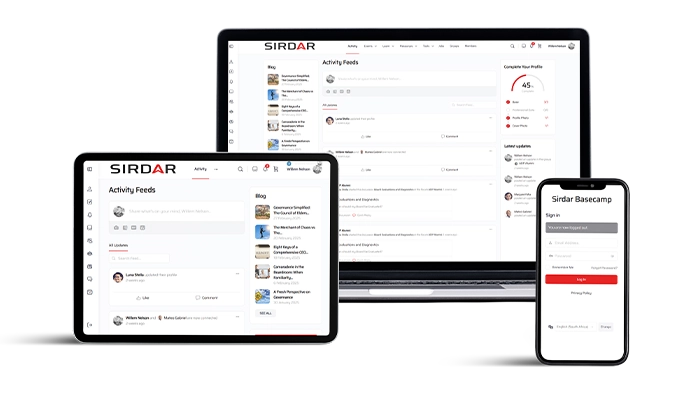
Sirdar Basecamp is the ultimate membership platform for boards and directors, designed to empower you with the tools, knowledge, and support you need to excel in governance. With Sirdar Basecamp, you gain access to expertly curated resources, practical frameworks, and a vibrant community of peers who are as dedicated to excellence as you are.

Enjoy optimal performance by leveraging our solutions to create meaningful economic impact. The result: satisfied shareholders, engaged employees, thriving communities and a better world for all.
Rely on us to support finding the ideal candidate who balances unique boardroom dynamics while bringing the required expertise, experience, values, and natural energy to deliver exceptional performance.
Gain critical insights and learnings from our relevant and practical training programmes and workshops that focus on building director- and board-level skills – all based on our robust methodology.
Navigating the complexities of statutory compliance is crucial for any business. Our comprehensive statutory compliance solutions simplify the process and cover every aspect of business administration.
Businesses that are experiencing growth encounter unique opportunities and challenges. Our solutions support ensuring good governance and best practices to take them further into the future.
Board training is key to remaining relevant and being a high-performing director. Our training and workshops are based on your specific and unique needs.
Stay future-ready by aligning today’s governance with tomorrow’s opportunities. Our case studies, job listings and blog help your board respond now and lead with foresight.
At the end of the day, directorship is about creating value and leading your organisation to success. The stakes are high, but you don’t have to do it alone. Reach out and gain a support system that empowers you to lead with confidence.


Cape Town
South Africa
+27 21 276 0540
Johannesburg
South Africa
+27 21 276 0540
Dar Es Salaam
Tanzania
+255 78 614 2424
Ebene
Mauritius
+230 463 7000
Accra
Ghana
+233 246 386 364
Nairobi
Kenya
+254 110 006 888
Wellington
New Zealand
+64 21 242 9383
Perth
Western Australia
+61 482 026 914
Lagos
Nigeria
+234 803 595 7198
Sirdar Basecamp is the ultimate membership platform for boards and directors, designed to empower you with the tools, knowledge, and support you need to excel in governance. With Sirdar Basecamp, you gain access to expertly curated resources, practical frameworks, and a vibrant community of peers who are as dedicated to excellence as you are.