The board performance diagnostic is more structured than a conversation, less comprehensive than a full evaluation. It’s designed for boards that want a periodic health check, suspect a specific issue, or are between formal evaluations. Think of it as your Sirdar’s quick scan before a full climb.
Strategic Planning Cadence: Is the board engaging substantively with strategy, or defaulting to operational reporting? Does the board allocate sufficient time to strategy, conduct proper scenario testing, and hold management accountable to strategic commitments? Many boards report on strategy execution but never actually set or challenge it.
Business Plan Alignment: Is the annual business plan aligned to strategy? Do management and the board agree on key assumptions, risks, and resource allocation? Is there visible accountability for achieving the plan? This area often reveals disconnect between what the board thinks the strategy is and what management is actually executing.
Governance Fundamentals Health Check: This considers the current status of Board Charter, Terms of Reference, and Delegation of Authority. Are governance documents up to date? Do they reflect actual practice? This is a rapid compliance check, not a comprehensive governance review—but it surfaces gaps.
Liability Insurance Adequacy: Does the board have sufficient Directors and Officers (D&O) liability cover? Is professional indemnity insurance appropriate? Are insurance lapses or exclusions understood? In South Africa, this includes assessment against King IV and JSE expectations.
Meeting Effectiveness and Agenda Discipline: How are board agendas constructed? Is time allocated to strategic matters or consumed by reports? Do meetings have clear decision points? Are minutes capturing accountability? This diagnostic includes observation or review of recent board materials.
Information Flow and Reporting Quality: Does management provide the board with timely, relevant information in formats that enable decision-making? Are reports of executive summary or chapter length? Do directors have access to underlying data and key advisers? Is information being withheld?
A full board evaluation is comprehensive—assessing every dimension of board and director performance, usually including detailed questionnaires, one-on-one interviews, and engagement with management and external stakeholders. A diagnostic is narrower, faster, and uses professional judgment rather than comprehensive measurement. You’re not scoring each director or mapping detailed capability gaps. Instead, you’re asking: Is the board functioning adequately? Are there obvious gaps or red flags? What quick wins would improve effectiveness?
The diagnostic is ideal for: (1) boards between formal evaluations (most boards do comprehensive evaluations every two to three years; a diagnostic conducted in between maintains momentum), (2) boards with suspected issues (poor meeting quality, weak governance documents, weak strategy engagement) but uncertain scope, (3) boards that have just experienced change (new chair, new directors, new CEO) and want to assess functioning, (4) newly constituted boards or advisory boards preparing to become formal boards.
A diagnostic engagement delivers: (1) Performance Report – concise summary of findings across the spectrum of diagnostic areas, (2) Key Findings – specific observations, often illustrated with examples from board materials or director feedback, (3) Practical Recommendations – prioritised actions addressing identified gaps, typically distinguishing quick wins from medium-term improvements. The tone is developmental, not punitive.
1. How long does a performance diagnostic take?
Typically 3–4 weeks from kick-off to final report. Engagement activities include interviews with the chair and potentially the CEO, review of board materials (strategic plans, recent board packs, governance documents), and one structured session with the board to present findings and gather reaction.
2. Is it less thorough than a full evaluation?
Yes—intentionally. A diagnostic identifies major themes and gaps quickly while a full evaluation deep dives into findings based on measurement and comprehensive data collection. Think of it as medical diagnosis versus comprehensive health assessment.
3. Can it identify issues a full evaluation would miss?
Unlikely. Both use similar diagnostic methods (observation, interview, document review), but the difference is depth. A diagnostic might flag ‘strategy engagement is weak’ quickly. A full evaluation would quantify exactly how weak, across what topics, and by which directors.
4. How often should we run one?
Most boards do a comprehensive evaluation every two to three years. A diagnostic every 12-18 months keeps governance focused between evaluations. After significant change (new chair, strategic pivot, regulatory event), a diagnostic is justified outside regular cycles.
Mauritius
+230 463 7000
mauritius@sirdargroup.com
Level 8, Nexteracom Tower III, Rue du Savoir,
Cybercity, Ebene, 72201
Ghana
+233 246 386 364
ghana@sirdargroup.com
4th Floor, Stanbic Heights
215, North Liberation Road
Airport City, Accra
Kenya
+254 110 006 888
kenya@sirdargroup.com
1st Floor, Cornerstone Place,
23 St Michael’s Road (off Rhapta Road),
Muthangari, Nairobi
Western Australia
+61 482 026 914
australia@sirdargroup.com
Perth
New Zealand
+64 21 242 9383
newzealand@sirdargroup.com
Wellington
Nigeria
+234 803 595 7198
nigeria@sirdargroup.com
1 Walter Carrington Crescent,
Victoria Island, Lagos, Nigeria
















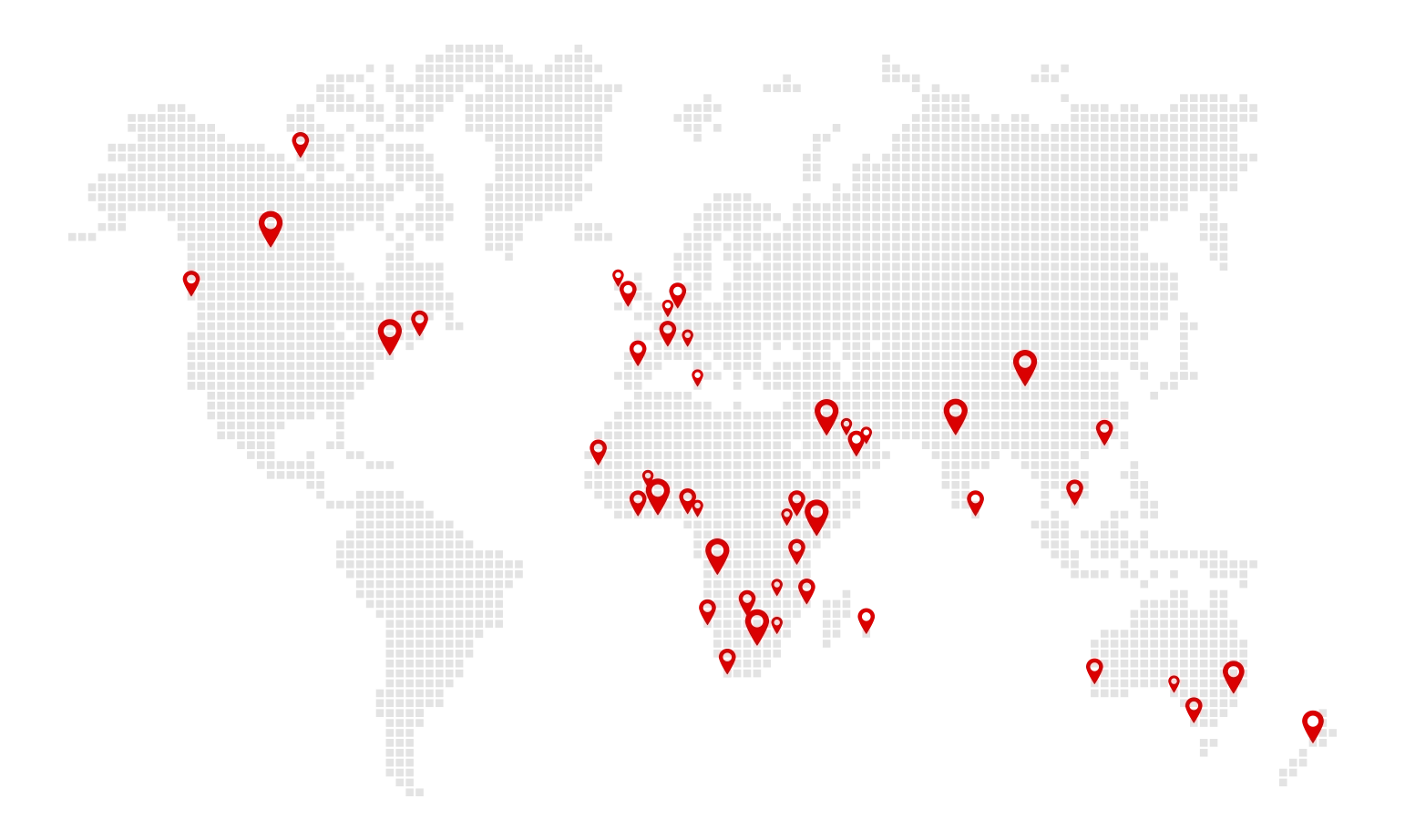



Australia Ghana Kenya Mauritius New Zealand Nigeria South Africa Tanzania
For more information contact us on info@sirdargroup.com
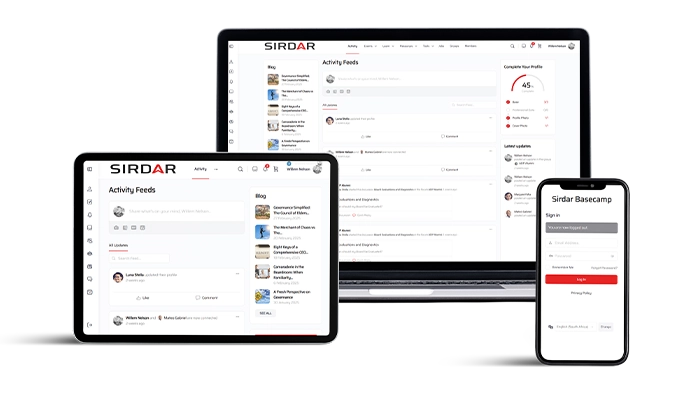
Sirdar Basecamp is the ultimate membership platform for boards and directors, designed to empower you with the tools, knowledge, and support you need to excel in governance. With Sirdar Basecamp, you gain access to expertly curated resources, practical frameworks, and a vibrant community of peers who are as dedicated to excellence as you are.

Enjoy optimal performance by leveraging our solutions to create meaningful economic impact. The result: satisfied shareholders, engaged employees, thriving communities and a better world for all.
Rely on us to support finding the ideal candidate who balances unique boardroom dynamics while bringing the required expertise, experience, values, and natural energy to deliver exceptional performance.
Gain critical insights and learnings from our relevant and practical training programmes and workshops that focus on building director- and board-level skills – all based on our robust methodology.
Navigating the complexities of statutory compliance is crucial for any business. Our comprehensive statutory compliance solutions simplify the process and cover every aspect of business administration.
Businesses that are experiencing growth encounter unique opportunities and challenges. Our solutions support ensuring good governance and best practices to take them further into the future.
Board training is key to remaining relevant and being a high-performing director. Our training and workshops are based on your specific and unique needs.
Stay future-ready by aligning today’s governance with tomorrow’s opportunities. Our case studies, job listings and blog help your board respond now and lead with foresight.
At the end of the day, directorship is about creating value and leading your organisation to success. The stakes are high, but you don’t have to do it alone. Reach out and gain a support system that empowers you to lead with confidence.


Cape Town
South Africa
+27 21 276 0540
Johannesburg
South Africa
+27 21 276 0540
Dar Es Salaam
Tanzania
+255 78 614 2424
Ebene
Mauritius
+230 463 7000
Accra
Ghana
+233 246 386 364
Nairobi
Kenya
+254 110 006 888
Wellington
New Zealand
+64 21 242 9383
Perth
Western Australia
+61 482 026 914
Lagos
Nigeria
+234 803 595 7198
Sirdar Basecamp is the ultimate membership platform for boards and directors, designed to empower you with the tools, knowledge, and support you need to excel in governance. With Sirdar Basecamp, you gain access to expertly curated resources, practical frameworks, and a vibrant community of peers who are as dedicated to excellence as you are.