
The “paperwork” of governance—dry, overlooked, and critically important. Three documents form the foundation of how your board operates: Board Charter, Terms of Reference, and Delegation of Authority. Without them, decision rights are ambiguous, accountability is unclear, and disputes have no framework for resolution. The Sirdar board evaluation process determines whether your governance documents are fit for purpose.
The board charter defines the board’s mandate, composition, decision-making authority, and operating framework. It answers: What is the board responsible for? How many directors? What skills are required? How often do we meet? What decisions are reserved for the board, and which are delegated to management? When does the board need a supermajority? How is the chair appointed? When a new director joins or a dispute arises, the charter is the reference point.
Each committee has its own ToR—audit, risk, remuneration, nomination, social and ethics. The ToR defines the committee’s specific mandate, authority limits, reporting lines, meeting frequency, and what information they need. A solid ToR is specific enough to guide action but flexible enough to adapt to changing circumstances.
The DoA specifies who in management can approve what, at what financial threshold, and under what conditions. A contract approved at R500k by the CFO might require board approval at R5m. Real estate decisions may follow a different approval chain than procurement. The DoA prevents disputes, reduces decision-making bottlenecks, and creates accountability trails.
Governance documents serve three functions: (1) they distribute decision rights—ensuring clarity about who decides what, (2) they create accountability—documenting who is responsible for specific governance outcomes, (3) they provide continuity—institutional memory doesn’t depend on who the chair is or which directors are present. When these documents are absent or outdated, governance defaults to personality and politics.
Currency: When were these documents last updated? If they predate your last strategic pivot, regulatory change, or material acquisition, they need a rework.
Alignment: Do Terms of Reference match actual committee practice? Are committees doing what their ToR says, or has practice evolved without updating the documents?
Completeness: Are all required documents in place? Many boards lack formal DoAs. Some have out-of-date ToRs for committees that no longer exist.
Clarity: Would a new director understand their mandate from these documents alone? Can they identify their reporting responsibilities? Would they know which decisions are theirs and which aren’t?
Enforceability: Are these documents treated as living governance documents, or stored in a folder never to be seen again?
King IV sets out detailed expectations for board structure, committee mandates, and decision delegation. The JSE Listings Requirements specify committee composition, independence, and frequency requirements. B-BBEE scorecard criteria often evaluate governance documentation and its integrity. Non-listed South African businesses frequently overlook these documents—which becomes a problem when they raise capital, seek BEE partnership, or prepare for acquisition.
1. How often should governance documents be reviewed?
At minimum annually. After significant strategic changes, new regulations, or material acquisitions, review immediately. We recommend a formal evaluation of governance documentation every two to three years.
2. Who is responsible for maintaining them?
The company secretary or governance officer typically maintains these documents on behalf of the board. The board—often via the nomination committee—owns the governance framework. When documents drift, it’s usually because ownership is unclear.
3. Can we do a fundamentals review without a full evaluation?
Yes. A governance fundamentals review is standalone—focused, fast, and practical. You might commission it because a new chair joins, a regulatory change occurs, or you suspect documentation gaps. It’s a targeted diagnostic, not a comprehensive board evaluation.
4. What’s the most common gap you find in governance documentation?
Outdated or missing Delegation of Authority. Many boards have inherited DoAs written five or ten years ago that no longer reflect actual practice, organisational structure, or authority levels. The second gap is ToRs that describe what committees should do but not what they actually do.
Mauritius
+230 463 7000
mauritius@sirdargroup.com
Level 8, Nexteracom Tower III, Rue du Savoir,
Cybercity, Ebene, 72201
Ghana
+233 246 386 364
ghana@sirdargroup.com
4th Floor, Stanbic Heights
215, North Liberation Road
Airport City, Accra
Kenya
+254 110 006 888
kenya@sirdargroup.com
1st Floor, Cornerstone Place,
23 St Michael’s Road (off Rhapta Road),
Muthangari, Nairobi
Western Australia
+61 482 026 914
australia@sirdargroup.com
Perth
New Zealand
+64 21 242 9383
newzealand@sirdargroup.com
Wellington
Nigeria
+234 803 595 7198
nigeria@sirdargroup.com
1 Walter Carrington Crescent,
Victoria Island, Lagos, Nigeria
















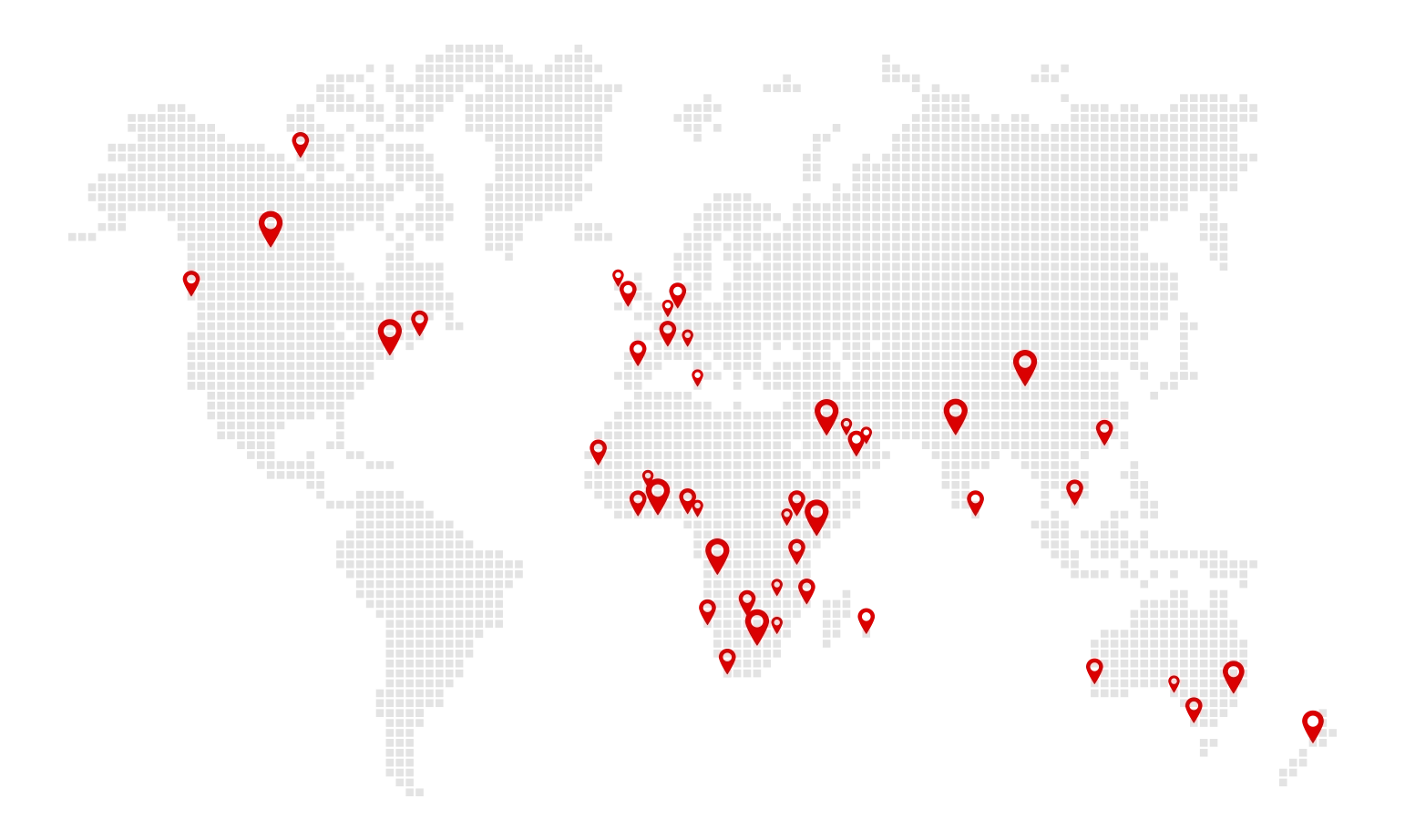



Australia Ghana Kenya Mauritius New Zealand Nigeria South Africa Tanzania
For more information contact us on info@sirdargroup.com
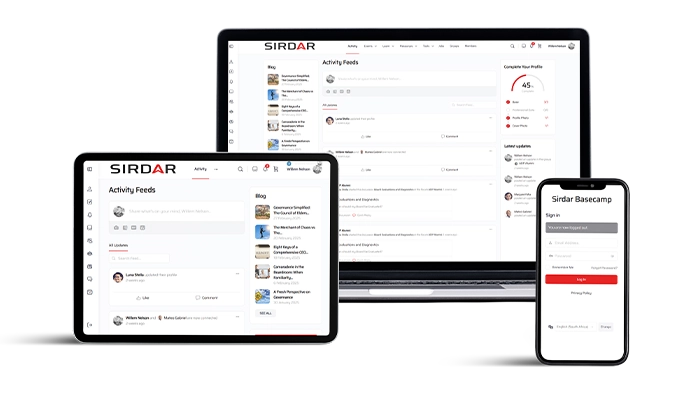
Sirdar Basecamp is the ultimate membership platform for boards and directors, designed to empower you with the tools, knowledge, and support you need to excel in governance. With Sirdar Basecamp, you gain access to expertly curated resources, practical frameworks, and a vibrant community of peers who are as dedicated to excellence as you are.

Enjoy optimal performance by leveraging our solutions to create meaningful economic impact. The result: satisfied shareholders, engaged employees, thriving communities and a better world for all.
Rely on us to support finding the ideal candidate who balances unique boardroom dynamics while bringing the required expertise, experience, values, and natural energy to deliver exceptional performance.
Gain critical insights and learnings from our relevant and practical training programmes and workshops that focus on building director- and board-level skills – all based on our robust methodology.
Navigating the complexities of statutory compliance is crucial for any business. Our comprehensive statutory compliance solutions simplify the process and cover every aspect of business administration.
Businesses that are experiencing growth encounter unique opportunities and challenges. Our solutions support ensuring good governance and best practices to take them further into the future.
Board training is key to remaining relevant and being a high-performing director. Our training and workshops are based on your specific and unique needs.
Stay future-ready by aligning today’s governance with tomorrow’s opportunities. Our case studies, job listings and blog help your board respond now and lead with foresight.
At the end of the day, directorship is about creating value and leading your organisation to success. The stakes are high, but you don’t have to do it alone. Reach out and gain a support system that empowers you to lead with confidence.


Cape Town
South Africa
+27 21 276 0540
Johannesburg
South Africa
+27 21 276 0540
Dar Es Salaam
Tanzania
+255 78 614 2424
Ebene
Mauritius
+230 463 7000
Accra
Ghana
+233 246 386 364
Nairobi
Kenya
+254 110 006 888
Wellington
New Zealand
+64 21 242 9383
Perth
Western Australia
+61 482 026 914
Lagos
Nigeria
+234 803 595 7198
Sirdar Basecamp is the ultimate membership platform for boards and directors, designed to empower you with the tools, knowledge, and support you need to excel in governance. With Sirdar Basecamp, you gain access to expertly curated resources, practical frameworks, and a vibrant community of peers who are as dedicated to excellence as you are.