Founder-led businesses often operate without formal governance. The founder or co-founders make decisions, and everyone defers to them. This works when the business is small and the founder is omniscient. But as the business grows, this model breaks down. Decision rights become unclear, accountability muddy, and key stakeholders (investors, board members, senior management) don’t know who is actually in charge. Co-CEO structures, intended to share leadership, can make this worse—especially when the division of responsibilities is vague.
Founder-centric governance creates a single point of failure. If the founder leaves, becomes ill, or simply can’t be everywhere at once, the business slows or stalls. Decision-making is unpredictable—a decision approved by one founder might be overruled by another. Investors and board members feel marginalised. And talented executives below the founder level don’t get clear decision rights, so they wait for permission on decisions they should be empowered to make. Co-CEO structures, if not carefully designed, amplify these problems by creating ambiguity about authority.
Co-CEO arrangements work only when decision rights are crystal clear: who decides strategy? Who has final say on financial matters? Who speaks for the company externally? Who handles people decisions? When these boundaries are vague, co-CEOs spend energy negotiating authority rather than driving the business. Board members and investors don’t know who to approach, and the organisation below senses the ambiguity and becomes politicised.
A readiness diagnostic helps founder-led businesses move beyond founder-dependency. It surfaces the governance gaps, tests whether a co-CEO structure is genuinely defined, and helps design a board and decision framework that distributes authority more broadly. For businesses without a board, it defines what a board should look like. For those with a board, it clarifies how the board should interact with leadership, and where formal governance processes can reduce chaos.
The journey is not about marginalising the founder; it’s about leveraging the founder’s strengths within a structure that doesn’t collapse without them. This means defining decision rights, establishing a board that brings perspective and accountability, creating clarity about the role of co-leaders, and building management capability so talented people below the founder level can operate with autonomy.
Founder-led governance across the region: Founder-led businesses face governance challenges that differ by jurisdiction, regulator, and capital market context. For dedicated guidance on founder-led governance in Kenya — covering Kenya’s tech and SME founder economy, CMA Code expectations, and the move from founder control — or on founder-led governance in Mauritius — addressing IFC structures, FSC supervision, the 2016 Code, and substance expectations — explore our dedicated regional pages.
The first step is usually a board readiness diagnostic—an assessment that helps you understand what governance structure will serve your business, who should be on a board if you form one, and how to transition from founder-centric to board-supported decision making. For businesses that already have a board, a formal board evaluation might be more appropriate, helping you assess how the board is functioning and how founders and board can interact more effectively.
Yes—but only with extreme clarity. Each co-CEO needs a clearly defined domain: one might own product and technology, the other finance and operations. The board needs to understand and endorse this structure. And there needs to be a protocol for what happens when co-CEOs disagree on a decision that crosses domains. A readiness diagnostic can help you define this clarity before you have a problem.
There’s no universal answer. Some founders are brilliant operators even at scale; others need to transition to a board/strategic role. The right timing depends on the founder’s strengths, the business stage, and what kind of leadership the business needs next. A diagnostic helps you have this conversation based on reality, not ego.
Thoughtful design makes all the difference. Rather than sudden change, you can phase in governance structures—starting with a smaller, more strategic board, gradually clarifying decision rights, building management depth, and eventually creating a board that provides real oversight. A readiness diagnostic is the foundation for this roadmap.
Mauritius
+230 463 7000
mauritius@sirdargroup.com
Level 8, Nexteracom Tower III, Rue du Savoir,
Cybercity, Ebene, 72201
Ghana
+233 246 386 364
ghana@sirdargroup.com
4th Floor, Stanbic Heights
215, North Liberation Road
Airport City, Accra
Kenya
+254 110 006 888
kenya@sirdargroup.com
1st Floor, Cornerstone Place,
23 St Michael’s Road (off Rhapta Road),
Muthangari, Nairobi
Western Australia
+61 482 026 914
australia@sirdargroup.com
Perth
New Zealand
+64 21 242 9383
newzealand@sirdargroup.com
Wellington
Nigeria
+234 803 595 7198
nigeria@sirdargroup.com
1 Walter Carrington Crescent,
Victoria Island, Lagos, Nigeria













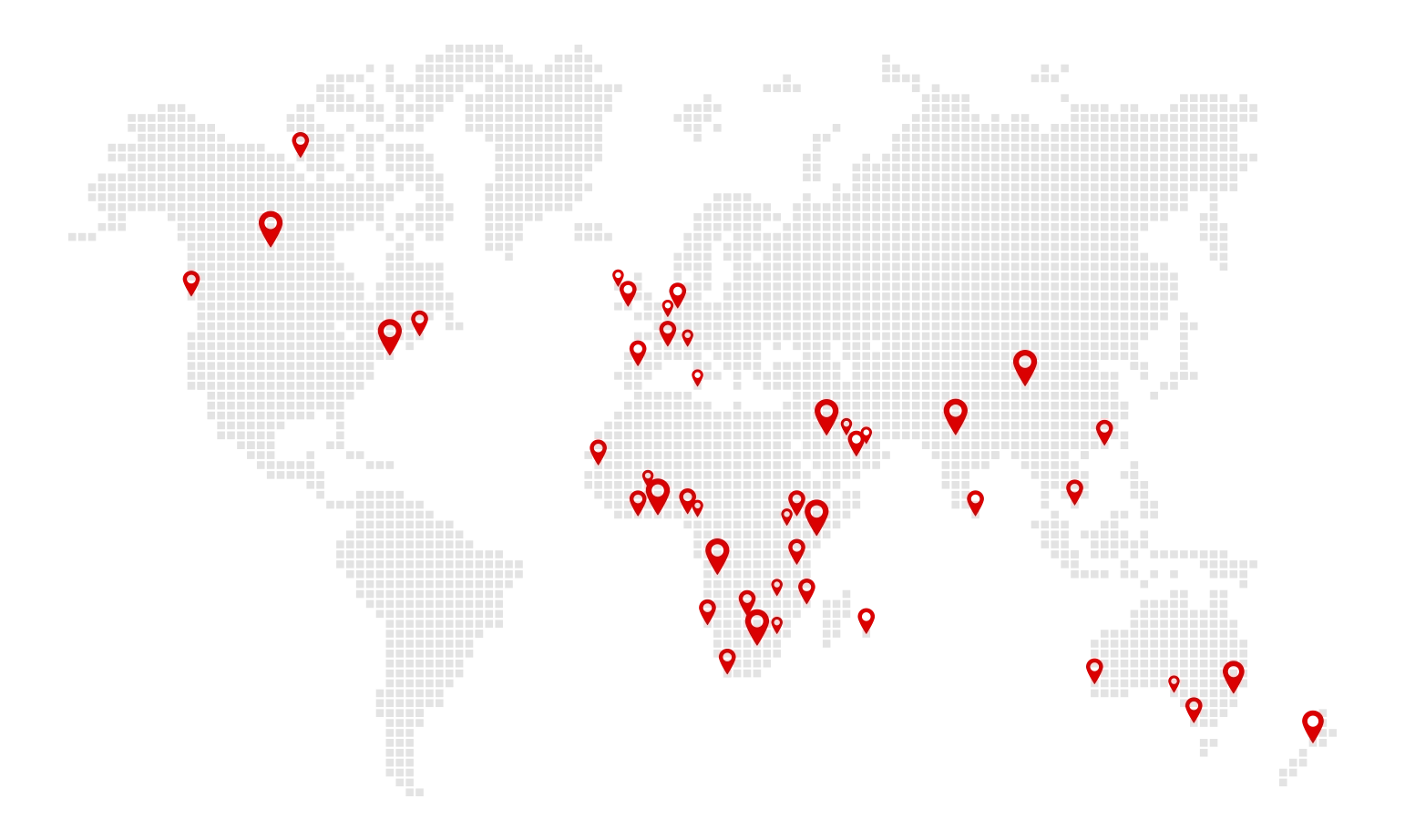



Australia Ghana Kenya Mauritius New Zealand Nigeria South Africa Tanzania
For more information contact us on info@sirdargroup.com
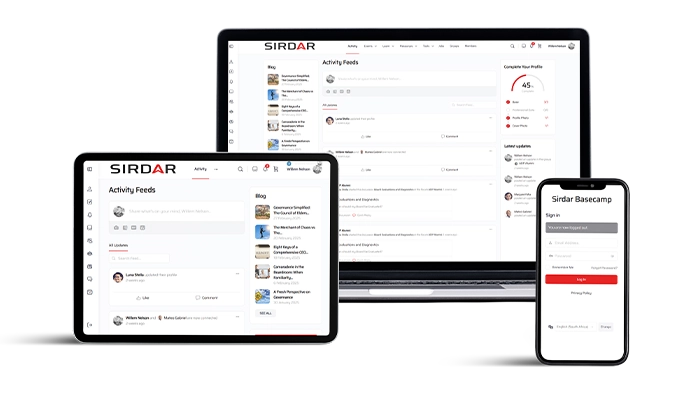
Sirdar Basecamp is the ultimate membership platform for boards and directors, designed to empower you with the tools, knowledge, and support you need to excel in governance. With Sirdar Basecamp, you gain access to expertly curated resources, practical frameworks, and a vibrant community of peers who are as dedicated to excellence as you are.

Enjoy optimal performance by leveraging our solutions to create meaningful economic impact. The result: satisfied shareholders, engaged employees, thriving communities and a better world for all.
Rely on us to support finding the ideal candidate who balances unique boardroom dynamics while bringing the required expertise, experience, values, and natural energy to deliver exceptional performance.
Gain critical insights and learnings from our relevant and practical training programmes and workshops that focus on building director- and board-level skills – all based on our robust methodology.
Navigating the complexities of statutory compliance is crucial for any business. Our comprehensive statutory compliance solutions simplify the process and cover every aspect of business administration.
Businesses that are experiencing growth encounter unique opportunities and challenges. Our solutions support ensuring good governance and best practices to take them further into the future.
Board training is key to remaining relevant and being a high-performing director. Our training and workshops are based on your specific and unique needs.
Stay future-ready by aligning today’s governance with tomorrow’s opportunities. Our case studies, job listings and blog help your board respond now and lead with foresight.
At the end of the day, directorship is about creating value and leading your organisation to success. The stakes are high, but you don’t have to do it alone. Reach out and gain a support system that empowers you to lead with confidence.


Cape Town
South Africa
+27 21 276 0540
Johannesburg
South Africa
+27 21 276 0540
Dar Es Salaam
Tanzania
+255 78 614 2424
Ebene
Mauritius
+230 463 7000
Accra
Ghana
+233 246 386 364
Nairobi
Kenya
+254 110 006 888
Wellington
New Zealand
+64 21 242 9383
Perth
Western Australia
+61 482 026 914
Lagos
Nigeria
+234 803 595 7198
Sirdar Basecamp is the ultimate membership platform for boards and directors, designed to empower you with the tools, knowledge, and support you need to excel in governance. With Sirdar Basecamp, you gain access to expertly curated resources, practical frameworks, and a vibrant community of peers who are as dedicated to excellence as you are.