
A board can be effective in one dimension and ineffective in another. A board might have brilliant strategic oversight but weak risk management. Or strong financial controls but poor stakeholder engagement.
That’s why a comprehensive governance evaluation can’t focus on just one or two elements. You need to assess the whole system.
The Sirdar Governance Compass does exactly this. It structures board evaluation across eight critical dimensions, ensuring nothing is overlooked — and helping you understand where your board’s real strengths and gaps are.
Our framework aligns with ISO 37000 governance principles and integrates best practices from governance codes like King IV, reflecting international standards while remaining grounded in South African context.
Is the board actively shaping strategy, or passively approving it? Does the board understand the strategic context: competitive dynamics, market disruption, emerging opportunities? Are strategic assumptions being tested and challenged? Does the board help management think through strategic choices and their implications?
A board that’s strong in strategy is actively guiding the direction of the organisation, not just reviewing quarterly performance.
Are roles and responsibilities clear? Is the board charter fit for purpose? Are governance processes running smoothly — from board meetings to committee structures? Is decision-making transparent and well-documented? Are there clear lines of accountability between the board and management?
A board that’s strong in governance operates with clarity and discipline, making good decisions systematically.
Does the board understand the material risks facing the organisation? Is the risk appetite clearly defined? Are risk mitigation strategies sufficient? Is the board proactive about identifying emerging risks, or reactive when they surface? Are regulatory requirements being met and exceeded?
A board that’s strong in risk management doesn’t just manage down a checklist — it understands what could genuinely threaten the organisation and has strong mitigation strategies.
Does the board understand the financial health of the organisation? Is financial reporting clear and timely? Does the board provide meaningful oversight of capital allocation, budgeting, and financial performance? Is the organisation’s financial viability being sustained?
A board that’s strong in financial oversight understands not just the numbers, but what they mean for long-term sustainability.
Is the board investing in leadership development? Is the organisational culture being shaped intentionally? Does the board understand employee engagement, retention, and capability? Is there diversity of thought and background? Is leadership succession being managed effectively?
A board that’s strong in people and culture recognises that long-term value comes from building capability and culture, not just managing current operations.
Does the board understand stakeholder interests and expectations? Are key relationships being actively managed? For South African organisations, does the board engage meaningfully with community, regulatory bodies, and partner organisations? Is the organisation’s “licence to operate” being maintained and strengthened?
A board that’s strong in stakeholder relations recognises that sustainable success requires trust and engagement with the wider ecosystem.
Does the board have the right skills, experience, and diversity? Are there gaps in composition? Is director performance being assessed? Are new directors being brought in strategically? Do directors have access to information and development they need?
A board that’s strong in composition and capability recognises that board performance is fundamentally limited by the capability of its members.
Is the board genuinely moving the needle on organisational performance? What’s the board’s real impact? Are decisions being made better because the board is involved? Is the organisation creating the value (financial, social, or strategic) that stakeholders expect?
A board that’s strong in impact recognises that ultimately, governance only matters if it improves organisational performance.
These eight dimensions don’t operate in isolation. They’re deeply interconnected:
This is why a comprehensive governance evaluation looks at all eight dimensions, rather than focusing on one or two in isolation.
When we conduct a board evaluation, we assess your board across each of these eight dimensions, providing:
Combined with our Contribution Compass — which measures individual director contributions — this gives you both systemic and individual governance clarity.
Governance frameworks matter because they prevent blind spots. Without a rigorous framework, boards often focus on what’s comfortable or what’s closest to operations — they might excel at financial oversight while neglecting strategy, or focus intensely on compliance while ignoring culture.
The Sirdar Governance Compass is designed to ensure that nothing is overlooked. It gives boards and organisations clarity on what a truly high-performing board actually looks like — across all dimensions.
That clarity is the foundation for genuine governance improvement.
No. Different organisations have different priorities. A newly established organisation might prioritise governance and accountability first, then build capability in the other dimensions. A mature organisation might be strong across all dimensions but particularly focused on strategy and stakeholder relationships. The Compass helps you understand where you are — and where you need to focus development effort.
Most board evaluation approaches focus on compliance or process. The Sirdar Governance Compass is designed differently — it focuses on genuine governance performance. It’s grounded in best practices (ISO 37000 and King IV) but moves beyond compliance to ask: Is your board genuinely creating value?
A full assessment typically takes 6-8 weeks: initial scoping, director interviews, board meeting observation, analysis, and reporting. Some organisations run a lighter self-assessment version that takes 2-3 weeks. Speak to us about what fits your timeline and needs.
Absolutely. Many organisations run an annual Governance Compass assessment to track board development progress. This gives you a consistent measurement framework and helps you understand whether your board development efforts are actually moving the needle.
Our framework aligns with ISO 37000 (Governance of Organisations), integrates principles from King IV (South Africa’s governance code), and reflects decades of governance best practices across sectors. It’s designed to be grounded in rigorous governance science while remaining practical and actionable.
Mauritius
+230 463 7000
mauritius@sirdargroup.com
Level 8, Nexteracom Tower III, Rue du Savoir,
Cybercity, Ebene, 72201
Ghana
+233 246 386 364
ghana@sirdargroup.com
4th Floor, Stanbic Heights
215, North Liberation Road
Airport City, Accra
Kenya
+254 110 006 888
kenya@sirdargroup.com
1st Floor, Cornerstone Place,
23 St Michael’s Road (off Rhapta Road),
Muthangari, Nairobi
Western Australia
+61 482 026 914
australia@sirdargroup.com
Perth
New Zealand
+64 21 242 9383
newzealand@sirdargroup.com
Wellington
Nigeria
+234 803 595 7198
nigeria@sirdargroup.com
1 Walter Carrington Crescent,
Victoria Island, Lagos, Nigeria
















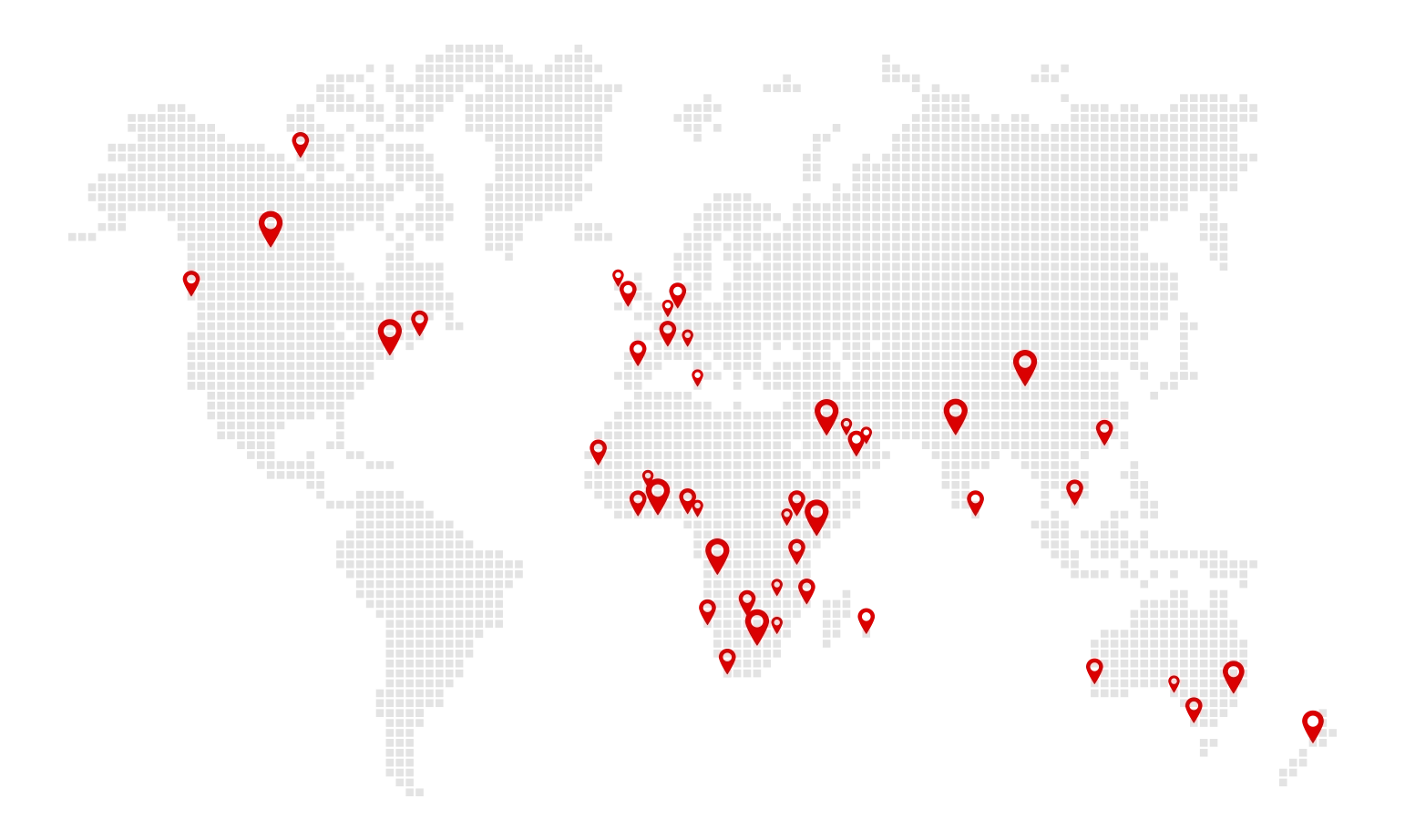



Australia Ghana Kenya Mauritius New Zealand Nigeria South Africa Tanzania
For more information contact us on info@sirdargroup.com
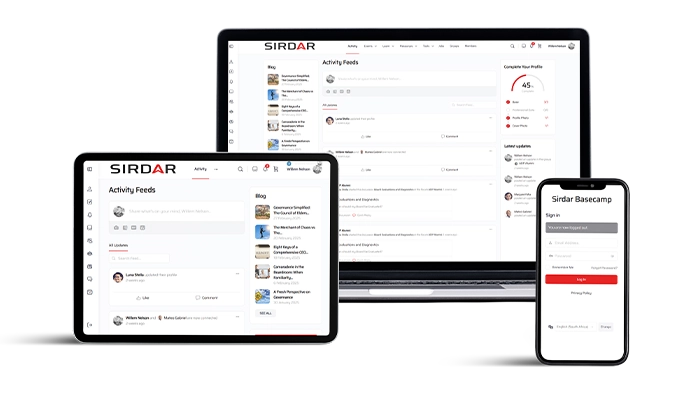
Sirdar Basecamp is the ultimate membership platform for boards and directors, designed to empower you with the tools, knowledge, and support you need to excel in governance. With Sirdar Basecamp, you gain access to expertly curated resources, practical frameworks, and a vibrant community of peers who are as dedicated to excellence as you are.

Enjoy optimal performance by leveraging our solutions to create meaningful economic impact. The result: satisfied shareholders, engaged employees, thriving communities and a better world for all.
Rely on us to support finding the ideal candidate who balances unique boardroom dynamics while bringing the required expertise, experience, values, and natural energy to deliver exceptional performance.
Gain critical insights and learnings from our relevant and practical training programmes and workshops that focus on building director- and board-level skills – all based on our robust methodology.
Navigating the complexities of statutory compliance is crucial for any business. Our comprehensive statutory compliance solutions simplify the process and cover every aspect of business administration.
Businesses that are experiencing growth encounter unique opportunities and challenges. Our solutions support ensuring good governance and best practices to take them further into the future.
Board training is key to remaining relevant and being a high-performing director. Our training and workshops are based on your specific and unique needs.
Stay future-ready by aligning today’s governance with tomorrow’s opportunities. Our case studies, job listings and blog help your board respond now and lead with foresight.
At the end of the day, directorship is about creating value and leading your organisation to success. The stakes are high, but you don’t have to do it alone. Reach out and gain a support system that empowers you to lead with confidence.


Cape Town
South Africa
+27 21 276 0540
Johannesburg
South Africa
+27 21 276 0540
Dar Es Salaam
Tanzania
+255 78 614 2424
Ebene
Mauritius
+230 463 7000
Accra
Ghana
+233 246 386 364
Nairobi
Kenya
+254 110 006 888
Wellington
New Zealand
+64 21 242 9383
Perth
Western Australia
+61 482 026 914
Lagos
Nigeria
+234 803 595 7198
Sirdar Basecamp is the ultimate membership platform for boards and directors, designed to empower you with the tools, knowledge, and support you need to excel in governance. With Sirdar Basecamp, you gain access to expertly curated resources, practical frameworks, and a vibrant community of peers who are as dedicated to excellence as you are.