Mauritius has built its position as an International Financial Centre and African gateway on a governance proposition that investors, partners, and regulators around the world recognise. When Mauritian or international investors evaluate a business operating from Mauritius, governance is not just due diligence — it is part of why they chose Mauritius in the first place. A business that cannot demonstrate governance strength does more than risk a deal; it undermines the country’s value proposition.
For Mauritian businesses, the governance signal investors look for is concrete: National Code of Corporate Governance (2016) alignment, FSC-grade fit-and-proper governance, SEM-credible board composition where listed, demonstrable substance for IFC structures, and a track record of disciplined oversight. Building and demonstrating this signal is the work of investor readiness governance.
Mauritian and international investors are governance-literate by global standards. They expect, and increasingly require, board governance that matches the country’s IFC positioning. When investors evaluate a Mauritian business, they look for:
The Financial Services Commission and the Stock Exchange of Mauritius set the formal governance bar for FSC-licensed entities and SEM-listed companies. The FSC’s fit-and-proper requirements, sector-specific governance standards (for banks via Bank of Mauritius, insurers, funds, and other licensed activities), and supervisory engagement on board effectiveness shape what investor-grade governance looks like.
SEM Listing Rules add disclosure obligations and listing-specific governance requirements on top of the 2016 Code. For investors evaluating SEM-listed companies, governance disclosure quality is a direct signal of organisational maturity and management discipline.
The National Code of Corporate Governance for Mauritius (2016) is the country’s governance language. Investors, lenders, regulators, and counterparties use the Code as a shared reference. A Mauritian business that can demonstrate Code alignment — not as a checklist but as evidence of governance outcomes — earns immediate credibility. Conversely, a business that cannot speak this language pays for the gap in due diligence time, deal scepticism, and ultimately valuation.
Code alignment does not require a checklist exercise. It requires the business to think about each principle in its Mauritian context, document what it does and why, and demonstrate that governance shapes how the business runs. Investors are interested in evidence of governance outcomes, not in compliance theatre.
Mauritius’s standing in the global capital ecosystem rests on a network of OECD MoUs, treaty agreements, BEPS commitments, and substance-driven supervision that together signal a credible, transparent, and well-governed jurisdiction. Boards of Mauritian businesses — whether locally rooted, regionally headquartered, or providing global business services — operate against this backdrop. International investors expect governance that lives up to the country’s positioning.
For global business companies, this means board substance: directors who attend meetings substantively in Mauritius, board minutes that reflect genuine deliberation, decisions that are made by the board, and oversight of subsidiaries that is documented and effective. Substance is no longer just a regulatory requirement — it is a fundamental component of investor trust.
Weak governance affects Mauritian deals in two ways: it can stop a deal entirely, or it can reduce valuation and tighten terms.
Sirdar’s investor readiness work in Mauritius helps boards build the governance evidence investors expect, in the timeframe the capital raise allows. Engagements typically combine a governance diagnostic that surfaces gaps, a targeted programme to close those gaps (board composition, charter and DoA work, committee design, board evaluation, substance documentation), and a structured handover of the resulting governance evidence so investor due diligence is straightforward rather than stressful.
The aim is governance that holds up after the deal closes — when the investor’s board representative is in the room, the audit committee is meeting quarterly, the FSC supervisory engagement is ongoing, and the board’s effectiveness is being tested by the realities of post-investment growth. Mauritius’s governance reputation is built one credible board at a time.
What governance documents do Mauritian and international investors expect?
At a minimum: a board charter, terms of reference for board committees, a delegation of authority, recent board minutes (last 12-24 months), evidence of board evaluation work, board composition and director independence assessments, fit-and-proper director credentials (for FSC-regulated entities), risk and audit committee outputs, and substance evidence for IFC structures. International investors increasingly expect ESG and developmental impact governance evidence as well.
How does the 2016 Code influence investor decisions?
The 2016 Code is the shared governance language in Mauritius. A business that can demonstrate Code alignment — not as a checklist but as evidence of governance outcomes — earns immediate credibility with local and international investors. Conversely, a business that cannot speak this language pays for the gap in due diligence time, deal scepticism, and ultimately valuation.
What’s required for an SEM listing from a governance perspective?
An SEM listing requires 2016 Code alignment in substance: independent directors, formally constituted board committees (audit, nominations, remuneration), board charter and committee terms of reference, delegation of authority, internal audit function, ongoing disclosure on governance practices, and demonstrable board effectiveness. Different SEM market segments have varying requirements; the underlying governance discipline is similar across all of them.
How does Mauritius IFC standing affect investor governance expectations?
Mauritius’s IFC reputation creates a governance expectation premium — investors choose Mauritius partly for its governance credentials, and they expect individual businesses operating from Mauritius to live up to that reputation. Boards must demonstrate substance, effective oversight, fit-and-proper directors, and the discipline that justifies the country’s positioning. This bar is not arbitrary; it reflects the cumulative reputational stake every Mauritian business holds in the IFC’s continued credibility.
Mauritius
+230 463 7000
mauritius@sirdargroup.com
Level 8, Nexteracom Tower III, Rue du Savoir,
Cybercity, Ebene, 72201
Ghana
+233 246 386 364
ghana@sirdargroup.com
4th Floor, Stanbic Heights
215, North Liberation Road
Airport City, Accra
Kenya
+254 110 006 888
kenya@sirdargroup.com
1st Floor, Cornerstone Place,
23 St Michael’s Road (off Rhapta Road),
Muthangari, Nairobi
Western Australia
+61 482 026 914
australia@sirdargroup.com
Perth
New Zealand
+64 21 242 9383
newzealand@sirdargroup.com
Wellington
Nigeria
+234 803 595 7198
nigeria@sirdargroup.com
1 Walter Carrington Crescent,
Victoria Island, Lagos, Nigeria












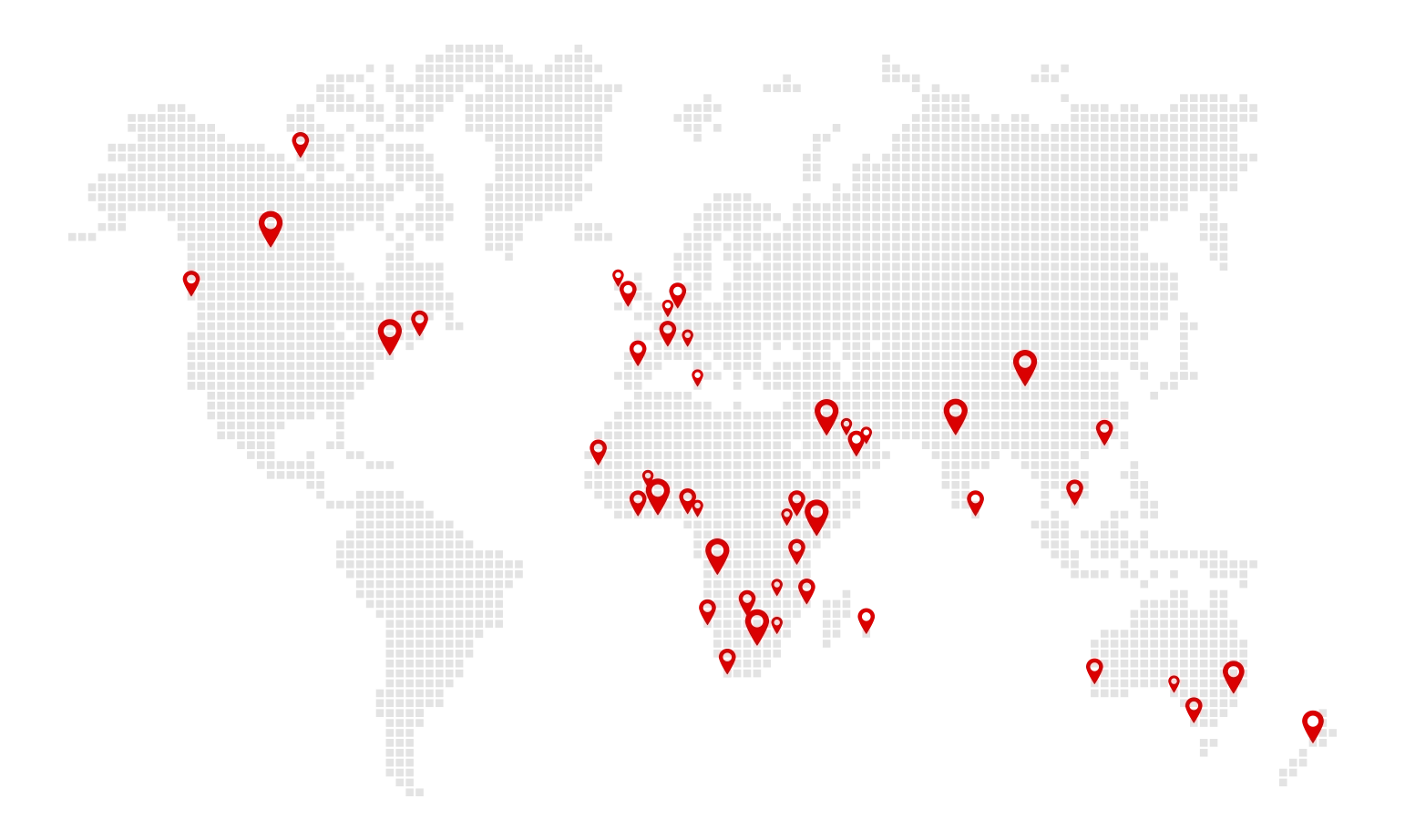



Australia Ghana Kenya Mauritius New Zealand Nigeria South Africa Tanzania
For more information contact us on info@sirdargroup.com
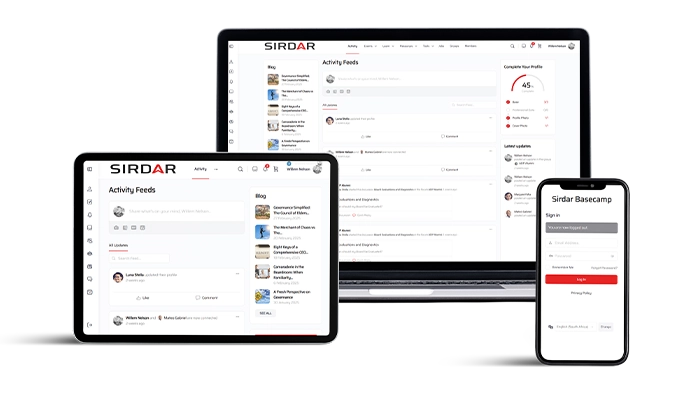
Sirdar Basecamp is the ultimate membership platform for boards and directors, designed to empower you with the tools, knowledge, and support you need to excel in governance. With Sirdar Basecamp, you gain access to expertly curated resources, practical frameworks, and a vibrant community of peers who are as dedicated to excellence as you are.

Enjoy optimal performance by leveraging our solutions to create meaningful economic impact. The result: satisfied shareholders, engaged employees, thriving communities and a better world for all.
Rely on us to support finding the ideal candidate who balances unique boardroom dynamics while bringing the required expertise, experience, values, and natural energy to deliver exceptional performance.
Gain critical insights and learnings from our relevant and practical training programmes and workshops that focus on building director- and board-level skills – all based on our robust methodology.
Navigating the complexities of statutory compliance is crucial for any business. Our comprehensive statutory compliance solutions simplify the process and cover every aspect of business administration.
Businesses that are experiencing growth encounter unique opportunities and challenges. Our solutions support ensuring good governance and best practices to take them further into the future.
Board training is key to remaining relevant and being a high-performing director. Our training and workshops are based on your specific and unique needs.
Stay future-ready by aligning today’s governance with tomorrow’s opportunities. Our case studies, job listings and blog help your board respond now and lead with foresight.
At the end of the day, directorship is about creating value and leading your organisation to success. The stakes are high, but you don’t have to do it alone. Reach out and gain a support system that empowers you to lead with confidence.


Cape Town
South Africa
+27 21 276 0540
Johannesburg
South Africa
+27 21 276 0540
Dar Es Salaam
Tanzania
+255 78 614 2424
Ebene
Mauritius
+230 463 7000
Accra
Ghana
+233 246 386 364
Nairobi
Kenya
+254 110 006 888
Wellington
New Zealand
+64 21 242 9383
Perth
Western Australia
+61 482 026 914
Lagos
Nigeria
+234 803 595 7198
Sirdar Basecamp is the ultimate membership platform for boards and directors, designed to empower you with the tools, knowledge, and support you need to excel in governance. With Sirdar Basecamp, you gain access to expertly curated resources, practical frameworks, and a vibrant community of peers who are as dedicated to excellence as you are.