Most boards begin with good intentions: provide oversight, ensure compliance, guide strategy. But somewhere between the board charter and the monthly meeting, many boards drift into passive approval — they ratify what management proposes rather than truly shaping strategy.
A high-performing board is different. It actively shapes strategy, asks hard questions, manages real risk, and genuinely moves the needle on organisational performance.
Here’s what separates the best from the rest.
Passive boards wait for management to present a strategy, then they review and approve. Active boards co-create strategy with management.
This doesn’t mean the board runs operations — it doesn’t. It means the board is deeply engaged in strategic thinking: What markets should we enter? What’s our competitive advantage? What growth assumptions are we making? Are they realistic? What could go wrong? What are we not seeing?
High-performing boards ask these questions early — in strategy development, not just in approval. They bring external perspective, challenge assumptions, and help management think through strategic implications.
Result: strategy is sharper, blind spots are surfaced earlier, and the board actually owns the strategy — not just the paper it’s written on.
Many boards have risk committees that oversee a risk register. They review the risks, ensure they’re monitored, and tick the compliance box. But do they actually manage the risks that matter?
High-performing boards focus on the risks that could materially affect the organisation: market disruption, key person dependency, regulatory change, competitive threat, supply chain vulnerability, or reputational exposure. They understand not just what the risks are, but what would actually trigger them and what the early warning signs are.
They don’t outsource risk thinking to management. They actively challenge whether management’s risk mitigation plans are sufficient. They ask: If this risk hits, are we prepared? What’s our contingency? Who else in the market has faced this, and what did they do?
Result: the organisation is more resilient. Risks aren’t surprises — they’re anticipated and managed.
Boards typically oversee CEO performance and succession. But high-performing boards go deeper. They invest in the development of the entire leadership team.
This means: Is the CEO being stretched and developed? Is the management team diverse and capable? Do we have succession depth? Are we building a leadership culture that will sustain the organisation beyond any individual?
High-performing boards take an active interest in leadership development. They mentor executives, provide feedback, model governance culture, and help the CEO build a capable team.
Result: leadership is stronger, succession is de-risked, and the organisation builds capability faster.
Every organisation has stakeholders: shareholders, employees, customers, regulators, community, partners. Most boards manage stakeholder relations reactively — when something goes wrong, they engage.
High-performing boards are proactive. They understand stakeholder interests, build relationships before problems emerge, and use stakeholder insight to inform strategy.
For a board in South Africa, this might mean: understanding BEE requirements and supplier development opportunities; engaging with regulators to understand emerging compliance expectations; building community relationships in markets where you operate; or understanding investor expectations and communicating transparently.
Result: stakeholder relationships are stronger, regulatory risk is lower, and the organisation has “licence to operate” in its communities.
Many boards receive monthly management reports: revenue, profitability, activity metrics. They review these, ensure targets are on track, and move on. But do they actually understand what these metrics mean for long-term value creation?
High-performing boards focus on the metrics that matter: not just activity or short-term profit, but genuine value creation. They ask: Are we building a sustainable business? Are we creating the conditions for long-term growth? Are we generating the returns (financial, social, or strategic) that our stakeholders expect?
They distinguish between lagging indicators (what happened) and leading indicators (what’s about to happen). They focus on understanding the trajectory: are we accelerating or decelerating? Are we building competitive advantage or eroding it?
Result: the board is leading, not just reviewing. Management is aligned with long-term value creation, not just quarterly targets.
Some boards pride themselves on harmony: “We never disagree, we always reach consensus.” Sound ideal? It’s actually a governance red flag.
High-performing boards create psychological safety for healthy disagreement. Directors should feel comfortable challenging assumptions, raising concerns, and voicing minority views. That’s not conflict — it’s governance rigour.
This requires the right board composition (diversity of thought and background), the right chair (someone who genuinely wants to hear dissenting views), and the right culture (where challenge is respected, not punished).
Result: bad decisions are caught before implementation; strategic thinking is sharper; and directors feel genuinely heard.
If this is what high-performing boards do, is it worth having a board at all if yours won’t operate at this level?
The answer depends on your situation. A board readiness diagnostic helps you understand whether you have the scale, complexity, and governance maturity for a board to genuinely create value. If you don’t, a governance committee or advisory board may serve you better in the short term.
But if you have a board — whether it’s newly established or long-standing — the goal should always be to move it from passive approval towards active governance. That’s when a board becomes a genuine strategic asset.
How long does it take for a board to become high-performing?
Typically 18-24 months. The first year focuses on building the right composition, clarifying roles, and establishing governance processes. The second year, with the right structures in place, the board begins to operate at a higher level. But this assumes active investment in board development — it won’t happen passively.
Can a board with only internal directors be high-performing?
It’s difficult. High-performing boards need external perspective — people who aren’t embedded in day-to-day operations can ask the questions insiders might overlook. Most high-performing boards have a majority of independent or non-executive directors, with strong internal representation but not control.
What’s the role of the chair in building a high-performing board?
Critical. The chair sets the tone, drives board development, and creates the culture where challenge is welcomed. A weak chair — one who doesn’t push back on management, doesn’t invite dissenting views, or doesn’t invest in board capability — will limit the board’s performance. Investing in your chair is one of the highest-ROI board development moves you can make.
How often should a high-performing board evaluate itself?
Annually at minimum. This keeps the board focused on its own performance and continuous improvement. Many high-performing boards conduct a formal external evaluation every 3 years — this brings fresh perspective and benchmarking against best practices.
If I’m a founder, will a high-performing board limit my control?
No. A high-performing board doesn’t take control — it provides perspective. You remain the decision-maker, but you’re making decisions with better information, having challenged your assumptions, and with the benefit of experienced external guidance. Most founder-CEOs who’ve worked with strong boards say it’s the best thing they’ve done for their business.
Mauritius
+230 463 7000
mauritius@sirdargroup.com
Level 8, Nexteracom Tower III, Rue du Savoir,
Cybercity, Ebene, 72201
Ghana
+233 246 386 364
ghana@sirdargroup.com
4th Floor, Stanbic Heights
215, North Liberation Road
Airport City, Accra
Kenya
+254 110 006 888
kenya@sirdargroup.com
1st Floor, Cornerstone Place,
23 St Michael’s Road (off Rhapta Road),
Muthangari, Nairobi
Western Australia
+61 482 026 914
australia@sirdargroup.com
Perth
New Zealand
+64 21 242 9383
newzealand@sirdargroup.com
Wellington
Nigeria
+234 803 595 7198
nigeria@sirdargroup.com
1 Walter Carrington Crescent,
Victoria Island, Lagos, Nigeria














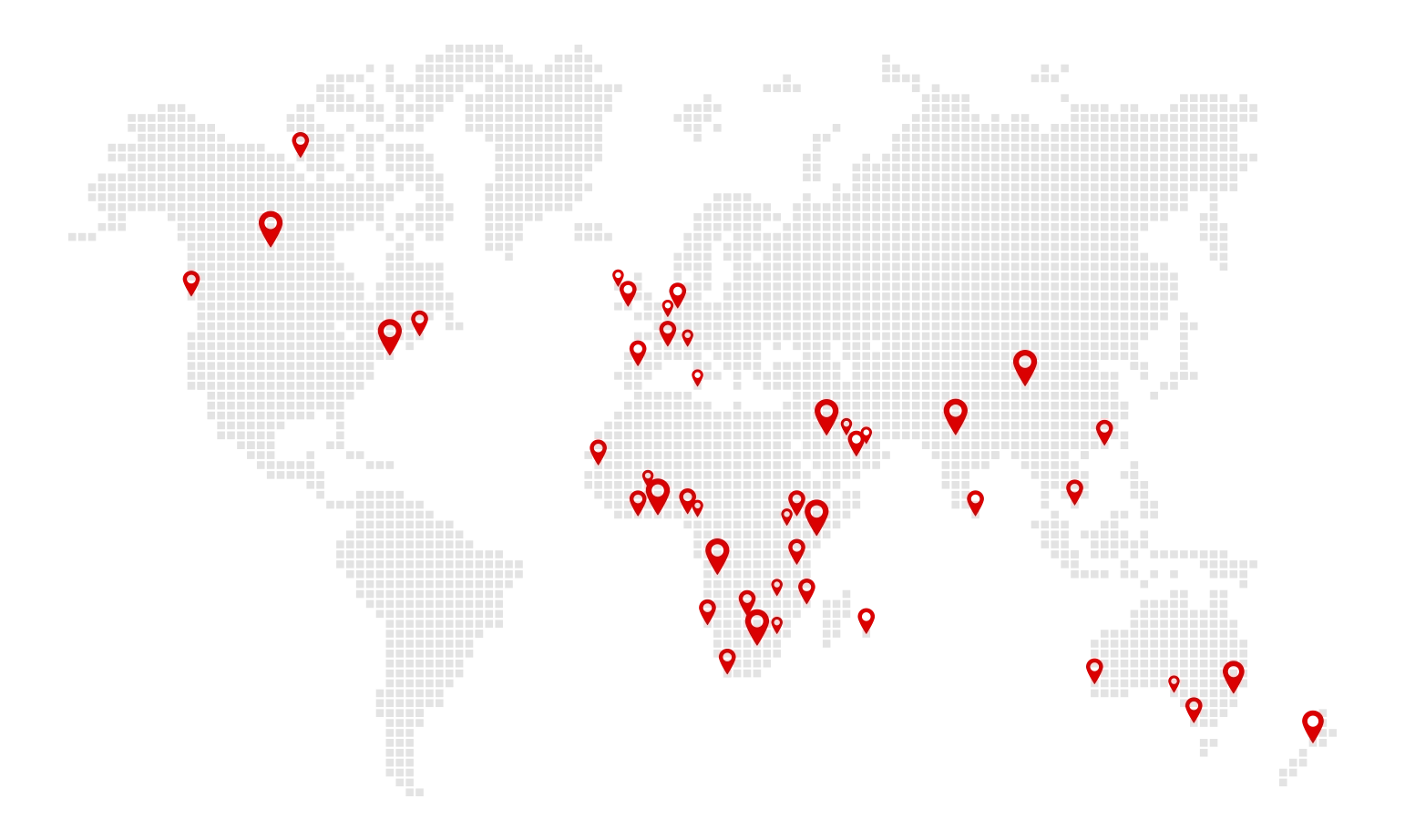



Australia Ghana Kenya Mauritius New Zealand Nigeria South Africa Tanzania
For more information contact us on info@sirdargroup.com
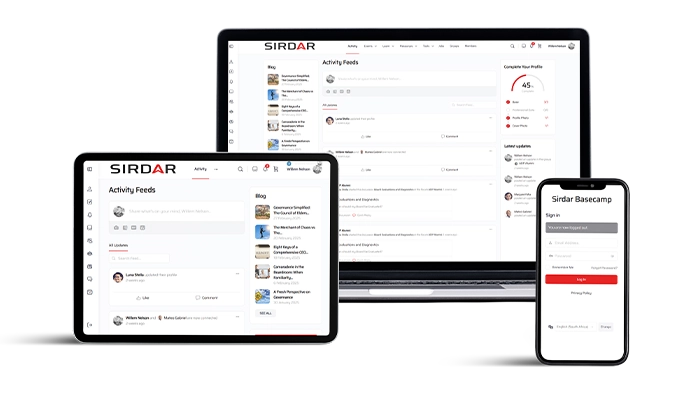
Sirdar Basecamp is the ultimate membership platform for boards and directors, designed to empower you with the tools, knowledge, and support you need to excel in governance. With Sirdar Basecamp, you gain access to expertly curated resources, practical frameworks, and a vibrant community of peers who are as dedicated to excellence as you are.

Enjoy optimal performance by leveraging our solutions to create meaningful economic impact. The result: satisfied shareholders, engaged employees, thriving communities and a better world for all.
Rely on us to support finding the ideal candidate who balances unique boardroom dynamics while bringing the required expertise, experience, values, and natural energy to deliver exceptional performance.
Gain critical insights and learnings from our relevant and practical training programmes and workshops that focus on building director- and board-level skills – all based on our robust methodology.
Navigating the complexities of statutory compliance is crucial for any business. Our comprehensive statutory compliance solutions simplify the process and cover every aspect of business administration.
Businesses that are experiencing growth encounter unique opportunities and challenges. Our solutions support ensuring good governance and best practices to take them further into the future.
Board training is key to remaining relevant and being a high-performing director. Our training and workshops are based on your specific and unique needs.
Stay future-ready by aligning today’s governance with tomorrow’s opportunities. Our case studies, job listings and blog help your board respond now and lead with foresight.
At the end of the day, directorship is about creating value and leading your organisation to success. The stakes are high, but you don’t have to do it alone. Reach out and gain a support system that empowers you to lead with confidence.


Cape Town
South Africa
+27 21 276 0540
Johannesburg
South Africa
+27 21 276 0540
Dar Es Salaam
Tanzania
+255 78 614 2424
Ebene
Mauritius
+230 463 7000
Accra
Ghana
+233 246 386 364
Nairobi
Kenya
+254 110 006 888
Wellington
New Zealand
+64 21 242 9383
Perth
Western Australia
+61 482 026 914
Lagos
Nigeria
+234 803 595 7198
Sirdar Basecamp is the ultimate membership platform for boards and directors, designed to empower you with the tools, knowledge, and support you need to excel in governance. With Sirdar Basecamp, you gain access to expertly curated resources, practical frameworks, and a vibrant community of peers who are as dedicated to excellence as you are.