
Boards delegate significant oversight to committees—audit, risk and compliance, remuneration (remco), nomination, and social and ethics committees. When these committees underperform, the entire board is weakened. Effective committees guide your board towards safer decisions and stronger governance. But how do you know if your committees are actually delivering? What should you measure?
A comprehensive committee review examines the mechanics and outcomes of each committee’s work:
Mandate Clarity: Is the committee’s mandate clear, distinct, and aligned with the board’s overall governance structure? Does every committee member understand what they’re accountable for?
Terms of Reference Alignment: Are the committee’s Terms of Reference current, comprehensive, and reflected in actual practice? If the ToR says one thing and the committee does another, you have a governance gap.
Meeting Effectiveness: Do meetings follow disciplined agendas? Is information provided in advance? Is time spent on strategic matters or operational minutiae?
Output Quality: What does the committee produce—minutes, reports, recommendations? Are they evidence-based, actionable, and presented to the board with sufficient lead time?
Information Flow: Does management provide the committee with timely, relevant, and sufficiently detailed information? Do committee members have direct access to the functions they oversee (internal audit, risk teams, remuneration advisers)?
Chair Effectiveness: Is the committee chair providing visible leadership? Are they managing dynamics, ensuring contribution, and translating complexity into clear recommendations?
What gets measured: financial reporting control environment, quality of the external audit relationship, adequacy of internal audit resources and positioning, management’s responsiveness to audit findings, scope of audit coverage, independence of audit providers. Does the committee actively challenge management’s accounting judgements? Is internal audit truly independent?
What gets measured: the committee’s identification of material risks, the board’s comfort with the organisation’s risk appetite, adequacy of compliance oversight (legal, regulatory, contractual), management’s responsiveness to risk findings, the integrity of risk reporting, the committee’s own risk literacy. Does this committee anticipate risk or simply react to it?
What gets measured: alignment of executive pay with performance and strategy, fairness of director fees, incentive scheme design and administration, succession planning for key roles, engagement with stakeholders on pay practices, the committee’s understanding of market comparisons and affordability. Are pay outcomes delivering behaviours you intended?
Committee performance exists within the system. A strong audit committee cannot compensate for a board that lacks strategic clarity. Effective committees require: (1) a chair who leads with clarity, (2) sufficient time and information to do the work, (3) management that genuinely listens and responds, (4) peer directors who respect committee authority. Sirdar’s board evaluation process provides insight into both committee-level performance and how committees connect to overall board effectiveness.
King IV requires committees, specifies their mandates, and emphasises their independence. The JSE Listings Requirements set out committee composition rules for listed companies. Non-listed organisations have flexibility, but the principles remain: delegate specific oversight to competent committees, hold them accountable for delivery.
1. Can committees be evaluated separately from the board?
Absolutely. Committee evaluations can be conducted as part of a broader board evaluation or as standalone diagnostics. A high-performing audit committee in a weak board is both valuable and frustrating. Separate committee diagnostics help identify where the constraint is.
2. What if a committee doesn’t have formal Terms of Reference?
That’s a governance gap. We’ve worked with many boards where committees operate by custom and practice rather than documented mandate. This creates vulnerability: if a chair leaves, so does institutional memory. A governance fundamentals review identifies this quickly. Creating or updating ToRs is straightforward and foundational.
3. How often should committees be reviewed?
Annually as a minimum. Every two to three years, consider a deeper evaluation. If you’ve changed committee composition or detected a specific issue, a focused review is justified. South African boards increasingly build committee self-evaluation into their calendar year.
4. What’s the most common committee weakness you find?
Information asymmetry. Committees rely on management to provide the information they need to oversee management. When that flow breaks—reports lack detail, access to underlying data is blocked, key stakeholders aren’t invited—committee effectiveness collapses. Sirdar’s board evaluation process surfaces this quickly.
Mauritius
+230 463 7000
mauritius@sirdargroup.com
Level 8, Nexteracom Tower III, Rue du Savoir,
Cybercity, Ebene, 72201
Ghana
+233 246 386 364
ghana@sirdargroup.com
4th Floor, Stanbic Heights
215, North Liberation Road
Airport City, Accra
Kenya
+254 110 006 888
kenya@sirdargroup.com
1st Floor, Cornerstone Place,
23 St Michael’s Road (off Rhapta Road),
Muthangari, Nairobi
Western Australia
+61 482 026 914
australia@sirdargroup.com
Perth
New Zealand
+64 21 242 9383
newzealand@sirdargroup.com
Wellington
Nigeria
+234 803 595 7198
nigeria@sirdargroup.com
1 Walter Carrington Crescent,
Victoria Island, Lagos, Nigeria
















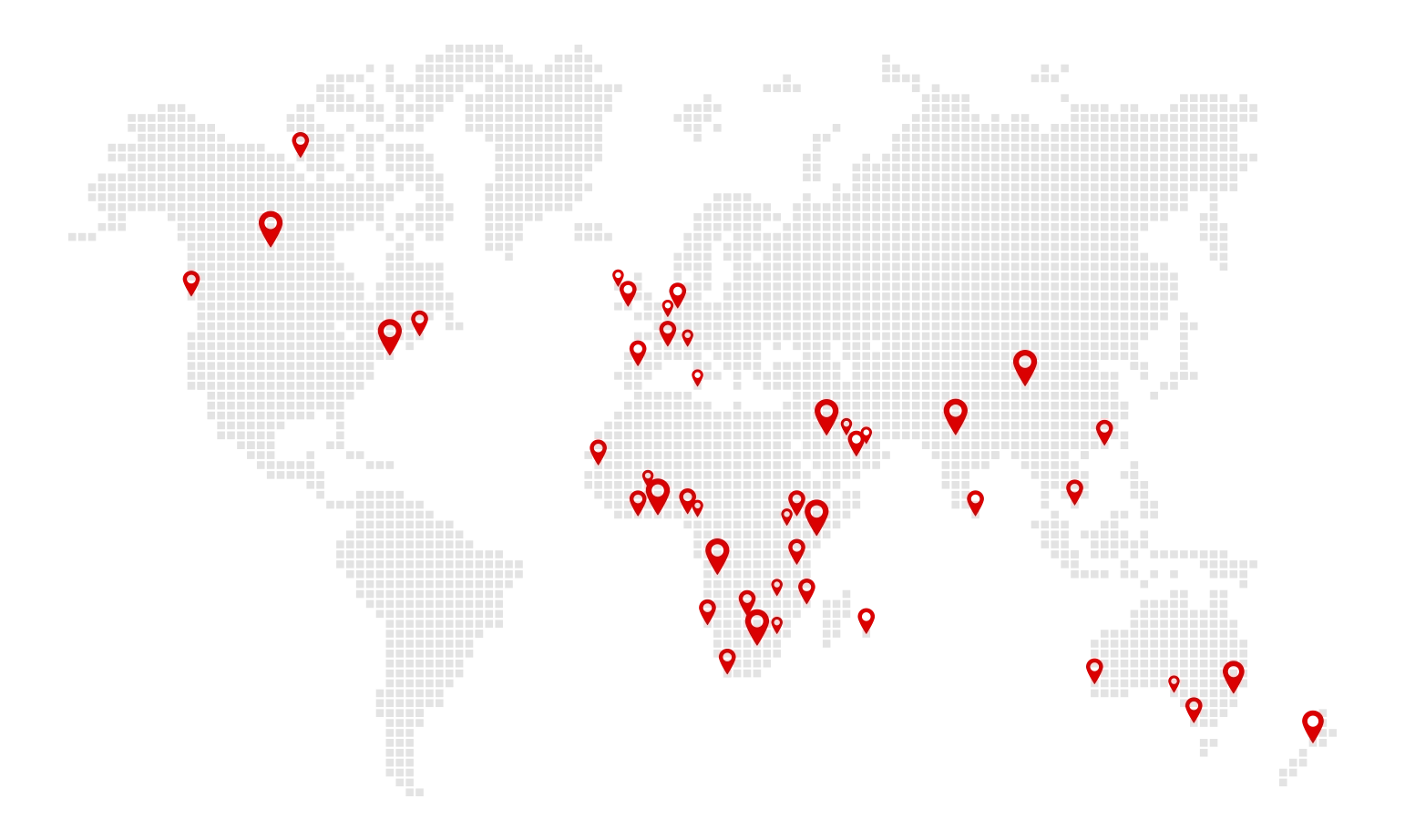



Australia Ghana Kenya Mauritius New Zealand Nigeria South Africa Tanzania
For more information contact us on info@sirdargroup.com
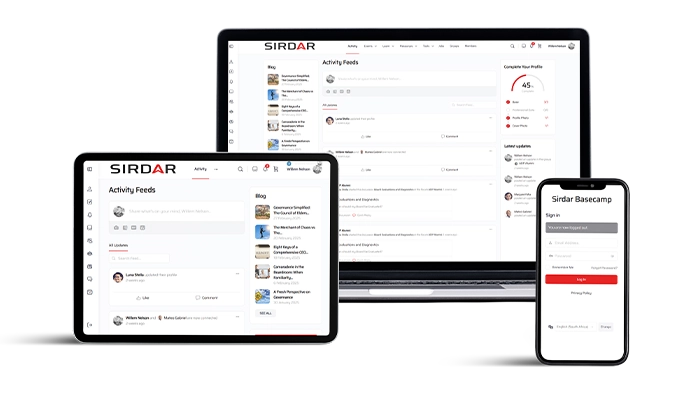
Sirdar Basecamp is the ultimate membership platform for boards and directors, designed to empower you with the tools, knowledge, and support you need to excel in governance. With Sirdar Basecamp, you gain access to expertly curated resources, practical frameworks, and a vibrant community of peers who are as dedicated to excellence as you are.

Enjoy optimal performance by leveraging our solutions to create meaningful economic impact. The result: satisfied shareholders, engaged employees, thriving communities and a better world for all.
Rely on us to support finding the ideal candidate who balances unique boardroom dynamics while bringing the required expertise, experience, values, and natural energy to deliver exceptional performance.
Gain critical insights and learnings from our relevant and practical training programmes and workshops that focus on building director- and board-level skills – all based on our robust methodology.
Navigating the complexities of statutory compliance is crucial for any business. Our comprehensive statutory compliance solutions simplify the process and cover every aspect of business administration.
Businesses that are experiencing growth encounter unique opportunities and challenges. Our solutions support ensuring good governance and best practices to take them further into the future.
Board training is key to remaining relevant and being a high-performing director. Our training and workshops are based on your specific and unique needs.
Stay future-ready by aligning today’s governance with tomorrow’s opportunities. Our case studies, job listings and blog help your board respond now and lead with foresight.
At the end of the day, directorship is about creating value and leading your organisation to success. The stakes are high, but you don’t have to do it alone. Reach out and gain a support system that empowers you to lead with confidence.


Cape Town
South Africa
+27 21 276 0540
Johannesburg
South Africa
+27 21 276 0540
Dar Es Salaam
Tanzania
+255 78 614 2424
Ebene
Mauritius
+230 463 7000
Accra
Ghana
+233 246 386 364
Nairobi
Kenya
+254 110 006 888
Wellington
New Zealand
+64 21 242 9383
Perth
Western Australia
+61 482 026 914
Lagos
Nigeria
+234 803 595 7198
Sirdar Basecamp is the ultimate membership platform for boards and directors, designed to empower you with the tools, knowledge, and support you need to excel in governance. With Sirdar Basecamp, you gain access to expertly curated resources, practical frameworks, and a vibrant community of peers who are as dedicated to excellence as you are.