When Kenyan and East African investors evaluate a business, governance is foundational due diligence — not a footnote. Whether the capital is coming from local PE, regional funds, DFIs like DEG, FMO, IFC, AfDB, or BII, the Public Investment Corporation, or a Nairobi Securities Exchange listing, the governance assessment shapes valuation, deal terms, post-investment oversight, and the board composition that gets imposed if existing structures do not pass scrutiny.
For Kenyan businesses, the governance signal that investors look for is concrete: CMA Code alignment where applicable, Mwongozo-aware structures for state-linked entities, defensible board composition, clear decision rights, evidence of board effectiveness, and a track record of disciplined oversight. Building and demonstrating this signal is the work of investor readiness governance.
Kenyan investors are governance-literate by regional standards, partly because the CMA has institutionalised governance disclosure for issuers and partly because the East African capital markets integration agenda has raised the governance bar across the region. When investors evaluate an unlisted business, they apply a similar lens. They look for:
Businesses preparing for an NSE listing — Main Investment Market, Alternative Investment Market, or Growth Enterprise Market Segment — face a step-change in governance expectations. The CMA Code and NSE Listings Manual impose specific governance disciplines: board composition, independence requirements, audit and remuneration committee mandates, disclosure obligations, and ongoing reporting expectations.
Pre-listing governance work in Kenya usually includes independent director recruitment, audit and remuneration committee establishment, charter and DoA documentation, internal audit function design, and board evaluation work to demonstrate the board functions as the regulator and exchange expect. Effective listing preparation begins 18 to 24 months before the proposed listing date — earlier for groups with complex structures or sector-specific licensing requirements.
DFIs investing in Kenyan businesses — DEG (Germany), FMO (Netherlands), IFC (World Bank Group), AfDB, BII (formerly CDC, UK) — bring distinct governance expectations that typically go beyond commercial investor norms. There is more emphasis on environmental and social governance, developmental impact reporting, and structured board engagement with sustainability outcomes. DFIs also typically want board representation, which means existing governance structures need to accommodate a director with a developmental mandate as well as commercial returns.
Kenyan businesses anticipating DFI capital should build governance with these expectations in mind from the start: an ESG or social and ethics function that is more than a formality, developmental impact reporting that goes beyond compliance, and a board culture that can accept developmental oversight without becoming defensive.
Where a Kenyan business operates with state corporations, has state-corporation shareholders, or partners with public-sector entities, Mwongozo expectations enter the governance picture indirectly. State corporations apply Mwongozo to their own boards and increasingly expect counterparty governance maturity from the businesses they engage with. For investee companies in Kenya’s state-influenced sectors — energy, infrastructure, financial services with public-sector shareholders, agriculture commodity boards — Mwongozo awareness is part of investor-grade governance design.
Weak governance affects Kenyan deals in two ways: it can stop a deal entirely, or it can reduce valuation and tighten terms.
Sirdar’s investor readiness work in Kenya helps boards build the governance evidence investors expect, in the timeframe the capital raise allows. Engagements typically combine a governance diagnostic that surfaces gaps, a targeted programme to close those gaps (board composition, charter and DoA work, committee design, board evaluation), and a structured handover of the resulting governance evidence so investor due diligence is straightforward rather than stressful.
The aim is governance that holds up after the deal closes — when the investor’s board representative is in the room, the audit committee is meeting quarterly, and the board’s effectiveness is being tested by the realities of post-investment growth across Kenyan and East African operations.
What governance documents do Kenyan investors and DFIs expect?
At a minimum: a board charter, terms of reference for board committees, a delegation of authority, recent board minutes (last 12-24 months), evidence of board evaluation work, board composition and director independence assessments, and risk and audit committee outputs. DFI investors will additionally expect ESG and developmental impact governance evidence, and for state-linked entities, Mwongozo-aware structures.
How does the CMA Code influence investor decisions?
The CMA Code is the shared governance reference point in Kenyan capital markets. A business that can demonstrate CMA Code alignment — not as a checklist but as evidence of governance outcomes — earns immediate credibility with local and regional investors. Conversely, a business that cannot speak this language pays for the gap in due diligence time, deal scepticism, and ultimately valuation.
What’s required for an NSE listing from a governance perspective?
An NSE listing requires CMA Code alignment in substance: independent directors, formally constituted board committees (audit, nominations, remuneration), board charter and committee terms of reference, delegation of authority, internal audit function, and ongoing disclosure on governance practices. The Growth Enterprise Market Segment has scaled-back requirements suitable for smaller issuers, but the underlying governance discipline is similar.
How do East African investors assess governance maturity?
East African investors increasingly use a regional governance lens: how does the parent board interact with subsidiary boards across Kenya, Uganda, Tanzania, Rwanda; how are cross-border decisions made; how is governance documented in a way that survives jurisdiction differences; how are regional risks recognised and managed at board level. Groups headquartered in Nairobi with regional operations need to build governance for the regional reality, not just the Kenyan one.
Mauritius
+230 463 7000
mauritius@sirdargroup.com
Level 8, Nexteracom Tower III, Rue du Savoir,
Cybercity, Ebene, 72201
Ghana
+233 246 386 364
ghana@sirdargroup.com
4th Floor, Stanbic Heights
215, North Liberation Road
Airport City, Accra
Kenya
+254 110 006 888
kenya@sirdargroup.com
1st Floor, Cornerstone Place,
23 St Michael’s Road (off Rhapta Road),
Muthangari, Nairobi
Western Australia
+61 482 026 914
australia@sirdargroup.com
Perth
New Zealand
+64 21 242 9383
newzealand@sirdargroup.com
Wellington
Nigeria
+234 803 595 7198
nigeria@sirdargroup.com
1 Walter Carrington Crescent,
Victoria Island, Lagos, Nigeria











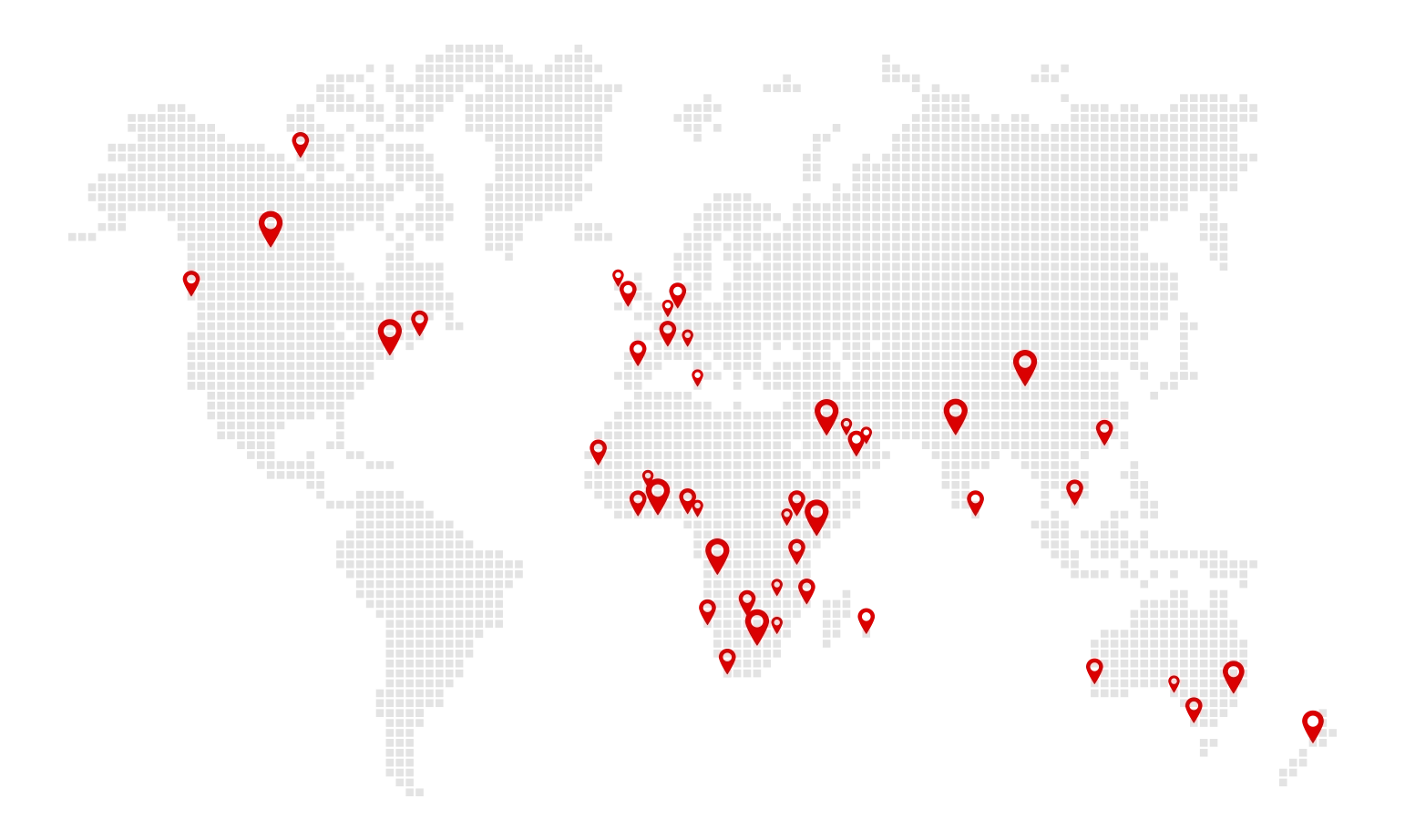



Australia Ghana Kenya Mauritius New Zealand Nigeria South Africa Tanzania
For more information contact us on info@sirdargroup.com
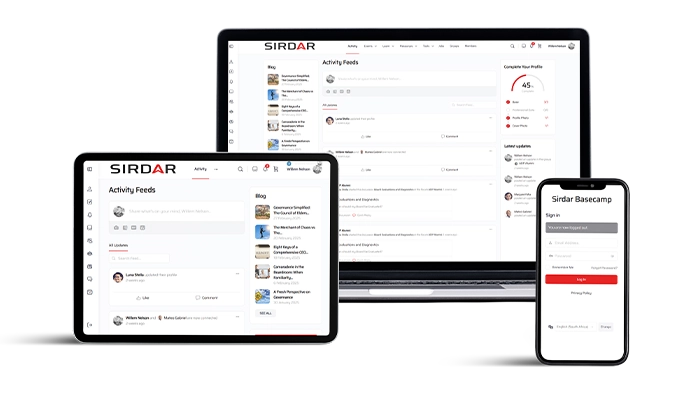
Sirdar Basecamp is the ultimate membership platform for boards and directors, designed to empower you with the tools, knowledge, and support you need to excel in governance. With Sirdar Basecamp, you gain access to expertly curated resources, practical frameworks, and a vibrant community of peers who are as dedicated to excellence as you are.

Enjoy optimal performance by leveraging our solutions to create meaningful economic impact. The result: satisfied shareholders, engaged employees, thriving communities and a better world for all.
Rely on us to support finding the ideal candidate who balances unique boardroom dynamics while bringing the required expertise, experience, values, and natural energy to deliver exceptional performance.
Gain critical insights and learnings from our relevant and practical training programmes and workshops that focus on building director- and board-level skills – all based on our robust methodology.
Navigating the complexities of statutory compliance is crucial for any business. Our comprehensive statutory compliance solutions simplify the process and cover every aspect of business administration.
Businesses that are experiencing growth encounter unique opportunities and challenges. Our solutions support ensuring good governance and best practices to take them further into the future.
Board training is key to remaining relevant and being a high-performing director. Our training and workshops are based on your specific and unique needs.
Stay future-ready by aligning today’s governance with tomorrow’s opportunities. Our case studies, job listings and blog help your board respond now and lead with foresight.
At the end of the day, directorship is about creating value and leading your organisation to success. The stakes are high, but you don’t have to do it alone. Reach out and gain a support system that empowers you to lead with confidence.


Cape Town
South Africa
+27 21 276 0540
Johannesburg
South Africa
+27 21 276 0540
Dar Es Salaam
Tanzania
+255 78 614 2424
Ebene
Mauritius
+230 463 7000
Accra
Ghana
+233 246 386 364
Nairobi
Kenya
+254 110 006 888
Wellington
New Zealand
+64 21 242 9383
Perth
Western Australia
+61 482 026 914
Lagos
Nigeria
+234 803 595 7198
Sirdar Basecamp is the ultimate membership platform for boards and directors, designed to empower you with the tools, knowledge, and support you need to excel in governance. With Sirdar Basecamp, you gain access to expertly curated resources, practical frameworks, and a vibrant community of peers who are as dedicated to excellence as you are.