
Blue Willow is a high-growth business that was scaling rapidly—new markets, new products, growing headcount, increasing stakeholder complexity. Growth at this pace creates immediate governance tension: the board needs to maintain oversight, manage risk, and provide strategic guidance without slowing business momentum with excessive governance.
The core governance challenge at Blue Willow was timing. Risk governance was reactive rather than proactive—the board was responding to issues after they emerged rather than identifying and managing emerging risks. The board’s oversight rhythm hadn’t evolved with the business’s complexity. Growth was outpacing the governance framework’s capacity to provide meaningful oversight without becoming either a bottleneck or a rubber stamp.
Sirdar conducted a board evaluation with specific focus on risk governance integration and oversight scalability. The question wasn’t ‘does the business have risk governance?’ but rather ‘is risk governance integrated into how the board actually makes strategic decisions?’
The evaluation revealed several patterns common in high-growth businesses: the board was spending time on historical reporting (what happened) rather than forward-looking risk identification (what could happen). Committee structures didn’t exist, or where they did exist, were informal and underutilised. The governance framework was built for a smaller, simpler business—it hadn’t been intentionally scaled. Risk oversight was often siloed rather than integrated into strategic discussion. Board reporting focused on operational metrics rather than emerging risks and strategic assumptions.
The outcome included risk governance integrated into board agenda—not siloed in a separate risk committee, but woven through how the board discussed strategy, market opportunity, operational scaling, and capital allocation. The board’s oversight rhythm was aligned to growth cadence: different issues needed different review frequencies. The governance framework was explicitly scaled to match current and projected complexity—not locked into a small-business model or over-engineered for a large business the organisation wasn’t yet.
Importantly, the engagement identified a practical board development plan. Directors needed to shift from operational oversight to strategic risk thinking. Board processes needed to surface emerging risks rather than only reporting on known ones. The board needed to move from ‘are we executing the plan?’ to ‘is the plan still the right plan?’—forward-looking thinking that’s essential in high-growth contexts where the business’s market and circumstances can shift faster than annual strategy cycles.
A critical lesson from Blue Willow: governance should grow with the business—not chase it once complexity has already emerged, and not over-engineer it before the business is ready for heavier governance structures.
In early stage, risk governance might be informal—board conversation about emerging issues. As the business grows, risk governance becomes more structured: formal risk identification, risk committee oversight, integrated risk reporting. The key is intentionality about scaling—building governance structures ahead of need, but not so far ahead that they become bureaucracy.
Lean governance and good governance are not opposites. Good governance actually accelerates decision-making by clarifying decision authority, managing downside risk, and building confidence in decisions. The risk is over-governance—governance structures that create process overhead without adding value. Blue Willow’s outcome was streamlined governance that managed risk effectively without slowing growth.
When the board’s agenda is too crowded to give risk adequate attention, when multiple areas of the business carry distinct risks that need specialist oversight, or when stakeholders (investors, regulators, creditors) require formal risk reporting. The answer is ‘when risk oversight becomes too much for full board to handle well’—not on a preset schedule.
Mauritius
+230 463 7000
mauritius@sirdargroup.com
Level 8, Nexteracom Tower III, Rue du Savoir,
Cybercity, Ebene, 72201
Ghana
+233 246 386 364
ghana@sirdargroup.com
4th Floor, Stanbic Heights
215, North Liberation Road
Airport City, Accra
Kenya
+254 110 006 888
kenya@sirdargroup.com
1st Floor, Cornerstone Place,
23 St Michael’s Road (off Rhapta Road),
Muthangari, Nairobi
Western Australia
+61 482 026 914
australia@sirdargroup.com
Perth
New Zealand
+64 21 242 9383
newzealand@sirdargroup.com
Wellington
Nigeria
+234 803 595 7198
nigeria@sirdargroup.com
1 Walter Carrington Crescent,
Victoria Island, Lagos, Nigeria
















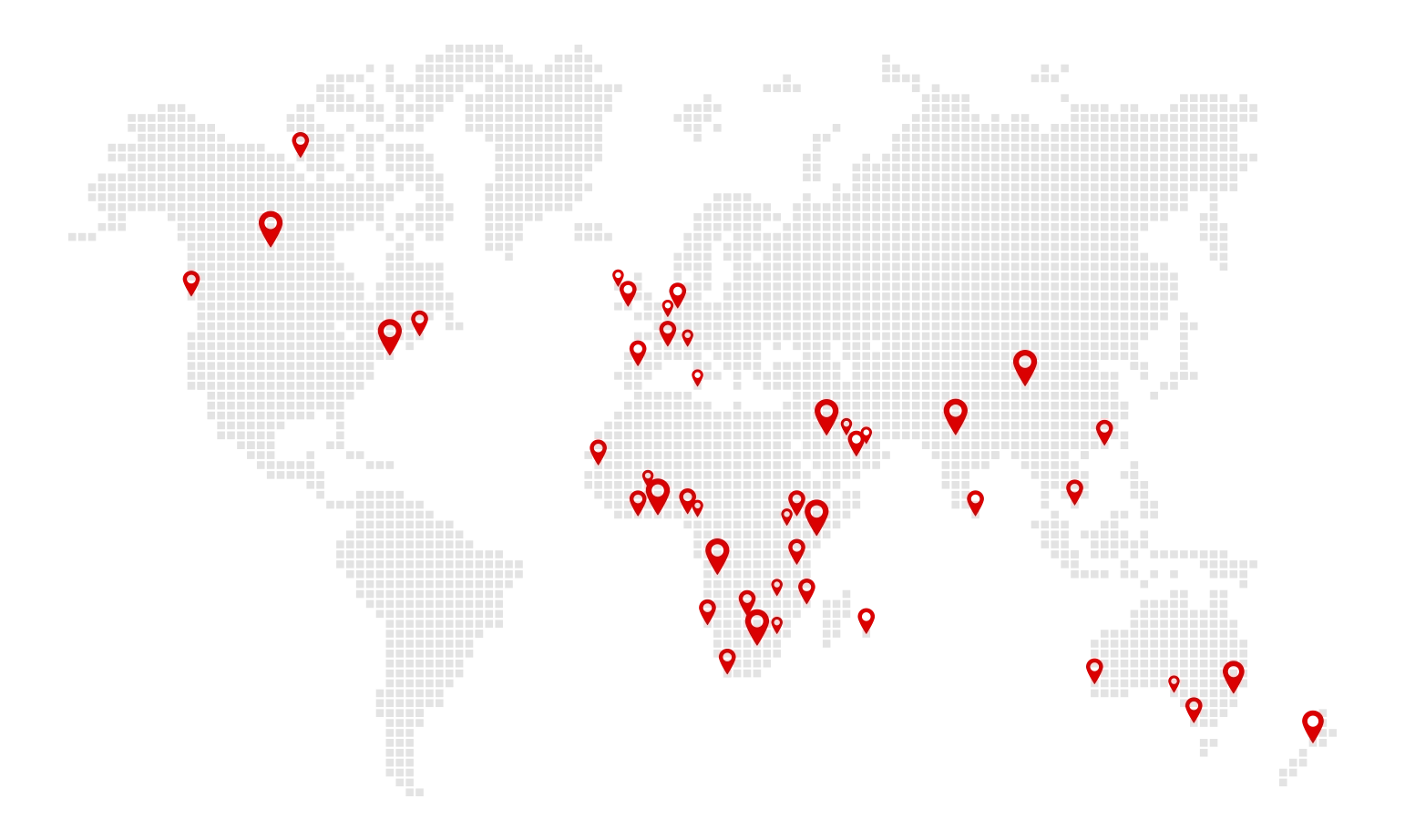



Australia Ghana Kenya Mauritius New Zealand Nigeria South Africa Tanzania
For more information contact us on info@sirdargroup.com
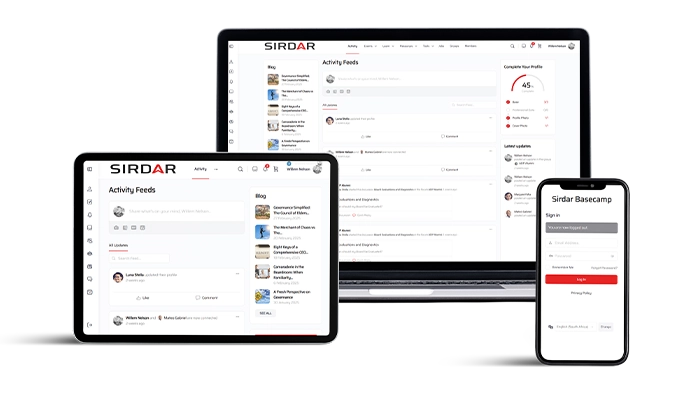
Sirdar Basecamp is the ultimate membership platform for boards and directors, designed to empower you with the tools, knowledge, and support you need to excel in governance. With Sirdar Basecamp, you gain access to expertly curated resources, practical frameworks, and a vibrant community of peers who are as dedicated to excellence as you are.

Enjoy optimal performance by leveraging our solutions to create meaningful economic impact. The result: satisfied shareholders, engaged employees, thriving communities and a better world for all.
Rely on us to support finding the ideal candidate who balances unique boardroom dynamics while bringing the required expertise, experience, values, and natural energy to deliver exceptional performance.
Gain critical insights and learnings from our relevant and practical training programmes and workshops that focus on building director- and board-level skills – all based on our robust methodology.
Navigating the complexities of statutory compliance is crucial for any business. Our comprehensive statutory compliance solutions simplify the process and cover every aspect of business administration.
Businesses that are experiencing growth encounter unique opportunities and challenges. Our solutions support ensuring good governance and best practices to take them further into the future.
Board training is key to remaining relevant and being a high-performing director. Our training and workshops are based on your specific and unique needs.
Stay future-ready by aligning today’s governance with tomorrow’s opportunities. Our case studies, job listings and blog help your board respond now and lead with foresight.
At the end of the day, directorship is about creating value and leading your organisation to success. The stakes are high, but you don’t have to do it alone. Reach out and gain a support system that empowers you to lead with confidence.


Cape Town
South Africa
+27 21 276 0540
Johannesburg
South Africa
+27 21 276 0540
Dar Es Salaam
Tanzania
+255 78 614 2424
Ebene
Mauritius
+230 463 7000
Accra
Ghana
+233 246 386 364
Nairobi
Kenya
+254 110 006 888
Wellington
New Zealand
+64 21 242 9383
Perth
Western Australia
+61 482 026 914
Lagos
Nigeria
+234 803 595 7198
Sirdar Basecamp is the ultimate membership platform for boards and directors, designed to empower you with the tools, knowledge, and support you need to excel in governance. With Sirdar Basecamp, you gain access to expertly curated resources, practical frameworks, and a vibrant community of peers who are as dedicated to excellence as you are.