Kalon Venture Partners operates in the investment and venture capital space, where governance needs are distinct from those of traditional corporates. The organisation manages capital on behalf of multiple stakeholders, makes rapid deployment decisions, and carries accountability to limited partners while managing risk across a portfolio of investments.
The governance challenge was not failure in any dramatic sense—the business was operational and making investments. Rather, governance was creating friction rather than clarity. Multiple stakeholders had different expectations about decision rights, reporting cadence, and oversight focus. Governance frameworks that worked for traditional businesses didn’t fit the investment vehicle model. Decision cadence didn’t match deal flow speed. Governance boundaries between fund-level governance and portfolio-level governance were unclear.
Sirdar conducted a governance diagnostic focused specifically on stakeholder alignment and decision frameworks. This meant understanding what each stakeholder—limited partners, the investment team, external advisors—needed from governance, and designing frameworks that served multiple stakeholder perspectives without becoming paralysed by competing demands.
The evaluation revealed that governance, rather than enabling decisive investment decisions, was creating blockages. The decision-making framework didn’t differentiate between fund-level governance (which required general partner agreement) and portfolio governance (which was the domain of investment committee oversight). Stakeholder expectations on reporting and oversight cadence were misaligned, creating either over-communication or insufficient transparency. The governance framework assumed a slower-moving, more predictable business rhythm than deal flow actually required.
The outcome included a clear governance framework distinguishing fund-level governance from portfolio-level governance, aligned decision cadence that matched investment pipeline speed, a stakeholder communication framework that clarified who reported what to whom and when, and streamlined governance documentation that actually guided decisions rather than creating process overhead.
A critical shift was moving from ‘governance protects against bad decisions’ to ‘governance enables good decisions at the right pace.’ Investment governance needs to be lean and fast without being reckless. This required designing governance structures that accelerated rather than delayed decision-making.
The Kalon engagement demonstrates that governance design must be tailored to business model and decision cadence, not imposed from a generic template.
Fund-level governance manages the capital vehicle itself—capital deployment, fee structures, stakeholder reporting, fund-level risk. Portfolio governance manages individual investments—performance oversight, governance of portfolio company boards, exit decisions. These require different decision rights, reporting cadence, and stakeholder involvement. Confusion between the two creates bottlenecks.
This depends on investment strategy and stakeholder needs. Some funds require monthly update cycles; others quarterly or annual cycles depending on volatility and stakeholder preferences. The key is being intentional about cadence rather than defaulting to generic practice. The engagement focused on aligning cadence to actual decision needs rather than over-reporting.
Investment committees should have clear mandate (what level of investment decisions they make), clear decision authority (what they decide versus what requires full LP approval), clear reporting (what gets communicated to whom), and clear escalation (when do decisions go above committee level). Without this clarity, investment committees either become rubber stamps or become blockages.
Mauritius
+230 463 7000
mauritius@sirdargroup.com
Level 8, Nexteracom Tower III, Rue du Savoir,
Cybercity, Ebene, 72201
Ghana
+233 246 386 364
ghana@sirdargroup.com
4th Floor, Stanbic Heights
215, North Liberation Road
Airport City, Accra
Kenya
+254 110 006 888
kenya@sirdargroup.com
1st Floor, Cornerstone Place,
23 St Michael’s Road (off Rhapta Road),
Muthangari, Nairobi
Western Australia
+61 482 026 914
australia@sirdargroup.com
Perth
New Zealand
+64 21 242 9383
newzealand@sirdargroup.com
Wellington
Nigeria
+234 803 595 7198
nigeria@sirdargroup.com
1 Walter Carrington Crescent,
Victoria Island, Lagos, Nigeria











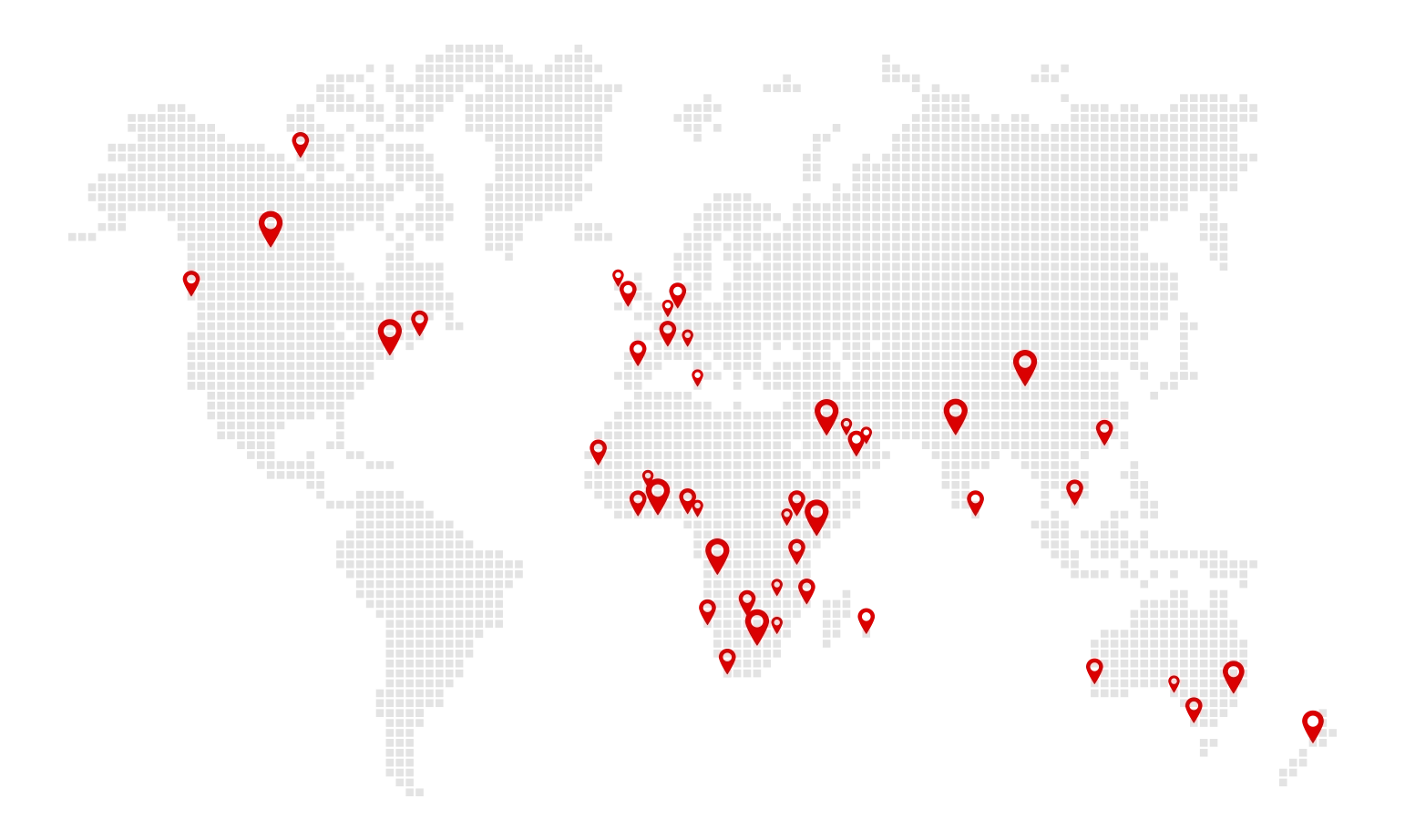



Australia Ghana Kenya Mauritius New Zealand Nigeria South Africa Tanzania
For more information contact us on info@sirdargroup.com
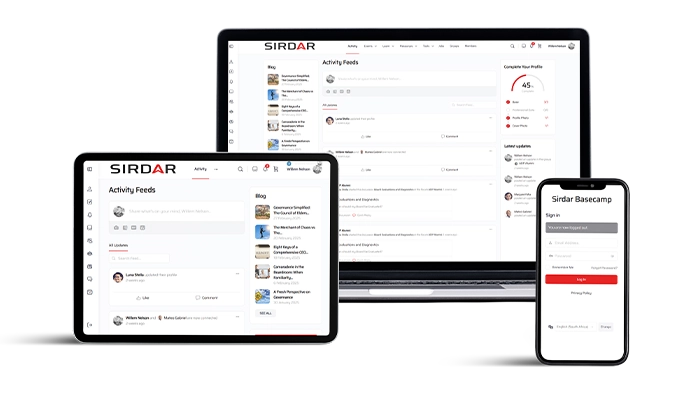
Sirdar Basecamp is the ultimate membership platform for boards and directors, designed to empower you with the tools, knowledge, and support you need to excel in governance. With Sirdar Basecamp, you gain access to expertly curated resources, practical frameworks, and a vibrant community of peers who are as dedicated to excellence as you are.

Enjoy optimal performance by leveraging our solutions to create meaningful economic impact. The result: satisfied shareholders, engaged employees, thriving communities and a better world for all.
Rely on us to support finding the ideal candidate who balances unique boardroom dynamics while bringing the required expertise, experience, values, and natural energy to deliver exceptional performance.
Gain critical insights and learnings from our relevant and practical training programmes and workshops that focus on building director- and board-level skills – all based on our robust methodology.
Navigating the complexities of statutory compliance is crucial for any business. Our comprehensive statutory compliance solutions simplify the process and cover every aspect of business administration.
Businesses that are experiencing growth encounter unique opportunities and challenges. Our solutions support ensuring good governance and best practices to take them further into the future.
Board training is key to remaining relevant and being a high-performing director. Our training and workshops are based on your specific and unique needs.
Stay future-ready by aligning today’s governance with tomorrow’s opportunities. Our case studies, job listings and blog help your board respond now and lead with foresight.
At the end of the day, directorship is about creating value and leading your organisation to success. The stakes are high, but you don’t have to do it alone. Reach out and gain a support system that empowers you to lead with confidence.


Cape Town
South Africa
+27 21 276 0540
Johannesburg
South Africa
+27 21 276 0540
Dar Es Salaam
Tanzania
+255 78 614 2424
Ebene
Mauritius
+230 463 7000
Accra
Ghana
+233 246 386 364
Nairobi
Kenya
+254 110 006 888
Wellington
New Zealand
+64 21 242 9383
Perth
Western Australia
+61 482 026 914
Lagos
Nigeria
+234 803 595 7198
Sirdar Basecamp is the ultimate membership platform for boards and directors, designed to empower you with the tools, knowledge, and support you need to excel in governance. With Sirdar Basecamp, you gain access to expertly curated resources, practical frameworks, and a vibrant community of peers who are as dedicated to excellence as you are.